Introduction
When you think of Australia, the Sydney Opera House likely springs to mind. When Turkey is mentioned, the sprawling skyline of Istanbul across the Bosphorus is the standard mental image. It feels natural, almost intuitive, to assume these world-famous metropolises are the seats of their respective governments.
However, geography has a habit of defying our intuition. Many of the world’s most iconic "global cities" are not capitals at all. This article deconstructs the "phantom capitals" that consistently trip up even the most seasoned travelers, exploring why our mental maps often prioritize fame over political reality.
The "Famous City" Delusion: Why Your Brain Is Lying to You
The tendency to misidentify capitals stems from a psychological shortcut known as the Primate City effect. In many countries, one city is so overwhelmingly dominant in terms of population, economy, and culture that it becomes the "face" of the nation to the outside world. Historically, capitals were rarely chosen for their "vibe" or tourist appeal. Instead, they were selected based on mid-19th-century defense strategies, a desire for central neutrality, or a need to move power away from overcrowded colonial hubs. Because these political centers often lack the cinematic glitz of commercial hubs, they remain "invisible" in the global consciousness until a trivia night or a flight booking forces us to look closer.
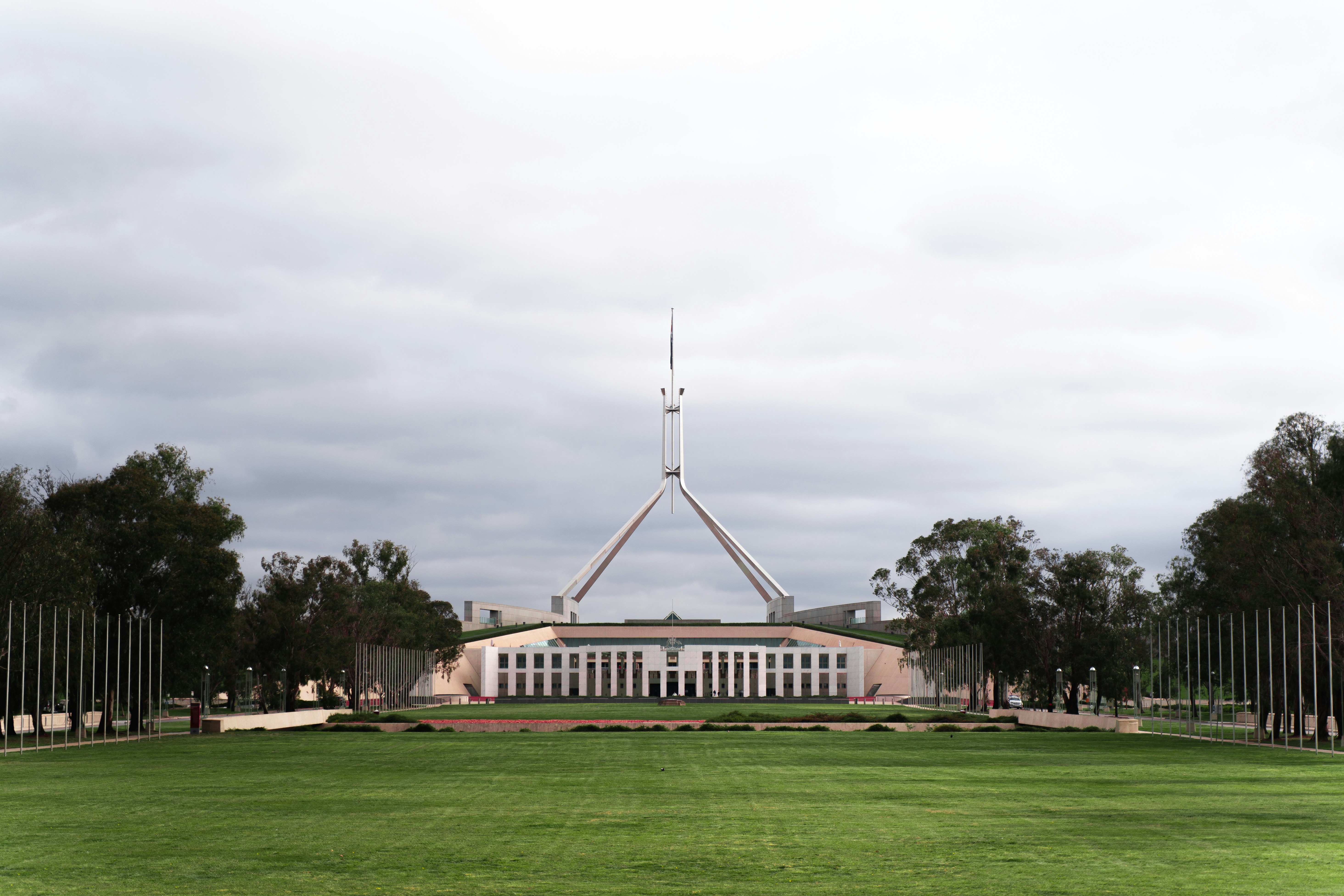 Parliament House in Canberra, Australia
The "Big Five" Blunders: Major Cities You (Probably) Think Are Capitals
Australia’s $100 Bet: Why It’s Not Sydney or Melbourne
The most common mistake in global geography is naming Sydney as the capital of Australia. While Sydney is the oldest and largest city, and Melbourne is the sporting capital, neither holds the title.
- The Compromise: In 1908, after years of bickering between the two giants, Canberra was selected as a halfway point.
- The Reality: It is a meticulously planned "bush capital," designed around a massive artificial lake, proving that sometimes, the middle ground is the winning ground.
The Great White North Mystery: How Ottawa Quietly Beat Toronto
If you guessed Toronto or Vancouver, you are in good company—but you are wrong. The capital of Canada is Ottawa.
- Queen Victoria’s Choice: Legend says she picked Ottawa by poking a map with a pin, but the choice was strategic. It sat on the border of Ontario (English) and Quebec (French), acting as a cultural bridge while staying safely inland from potential American invasions.
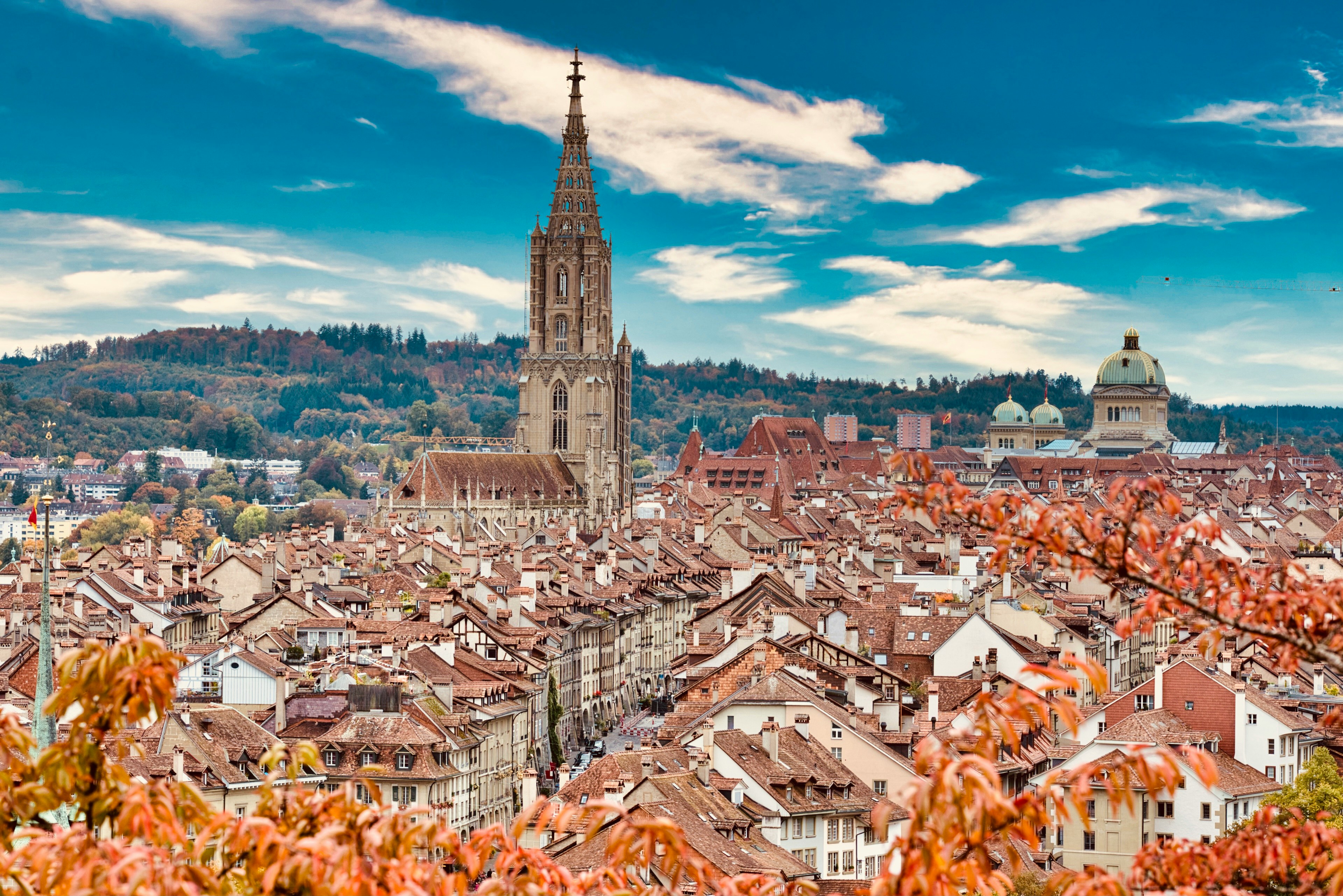
Switzerland’s Secret: The "Capital" That Technically Doesn't Exist
Ask anyone the capital of Switzerland, and they will likely shout "Zurich!" or "Geneva!" In reality, Switzerland technically has no legal capital.
- The "Federal City": To maintain the country’s famous neutrality, Bern was designated as the "Federal City." It is a stunning medieval UNESCO site that feels more like a quiet village than a global power center.
The Rio Relic: Why Brazil Built a City in the Middle of Nowhere
Rio de Janeiro’s beaches and statues make it the most recognizable Brazilian city, but it hasn't been the capital since 1960.
- The Move Inland: To spark development in the vast Brazilian interior, the government built Brasília from scratch in the shape of an airplane. It is a masterpiece of modernist architecture, even if it lacks the samba-filled streets of Rio.
The Ottoman Ghost: Why Istanbul Is Only Half the Story
Because Istanbul was the capital of the Byzantine and Ottoman Empires for over 1,500 years, many assume it still is.
- The New Republic: Since 1923, the heart of Turkey has been Ankara. Chosen by Atatürk to represent a fresh start for the modern republic, it is a bustling administrative hub that is often overlooked in favor of Istanbul’s palaces.
Power vs. Popularity: The Deep Science of "Primate Cities"
The reason we get these wrong is a matter of Media Saturation. Global news networks, film industries, and financial markets are headquartered in New York, London, and Tokyo. When a city generates the most "noise," we equate that noise with authority.
However, there is a growing trend of "Functional Decoupling." Modern nations often find it more efficient to have a "Money City" (New York/Sydney/Istanbul) and a "Work City" (Washington/Canberra/Ankara). This prevents the political machinery of a country from being swallowed by the chaos of a financial hub.
The "Quiet Capital" Advantage: Why Boring Cities Make Better Governments
While travelers might find planned capitals like Canberra or Brasília "boring," they offer distinct advantages:
- Neutrality: They provide a "blank slate" where no single ethnic or regional group feels dominant.
- Security: Being inland protects the government from naval blockades or coastal natural disasters.
- Efficiency: Wide boulevards and dedicated government zones mean that protests, motorcades, and diplomatic summits don't paralyze the nation's entire economy.
The "Ghost Town" Problem: When Planned Capitals Feel Sterile
The biggest challenge for these "misunderstood" capitals is their lack of organic soul. Many planned capitals struggle with "weekend desertion," where government workers flee back to the "fun" cities (like Sydney or Rio) as soon as the clock strikes five on Friday. This creates a cultural vacuum that makes these cities feel more like office parks than living, breathing communities.
The Map Is Changing: New Mega-Capitals Rising in 2026
As we move through 2026, the list of "wrong" capitals is about to get longer.
- Indonesia: The world is slowly learning that Jakarta is no longer the future. The new capital, Nusantara, is rising in the jungles of Borneo to escape the sinking foundations of the old city.
- Egypt: A massive, unnamed New Administrative Capital is being built outside Cairo to house the government, signaling a shift away from the historic Nile Delta.
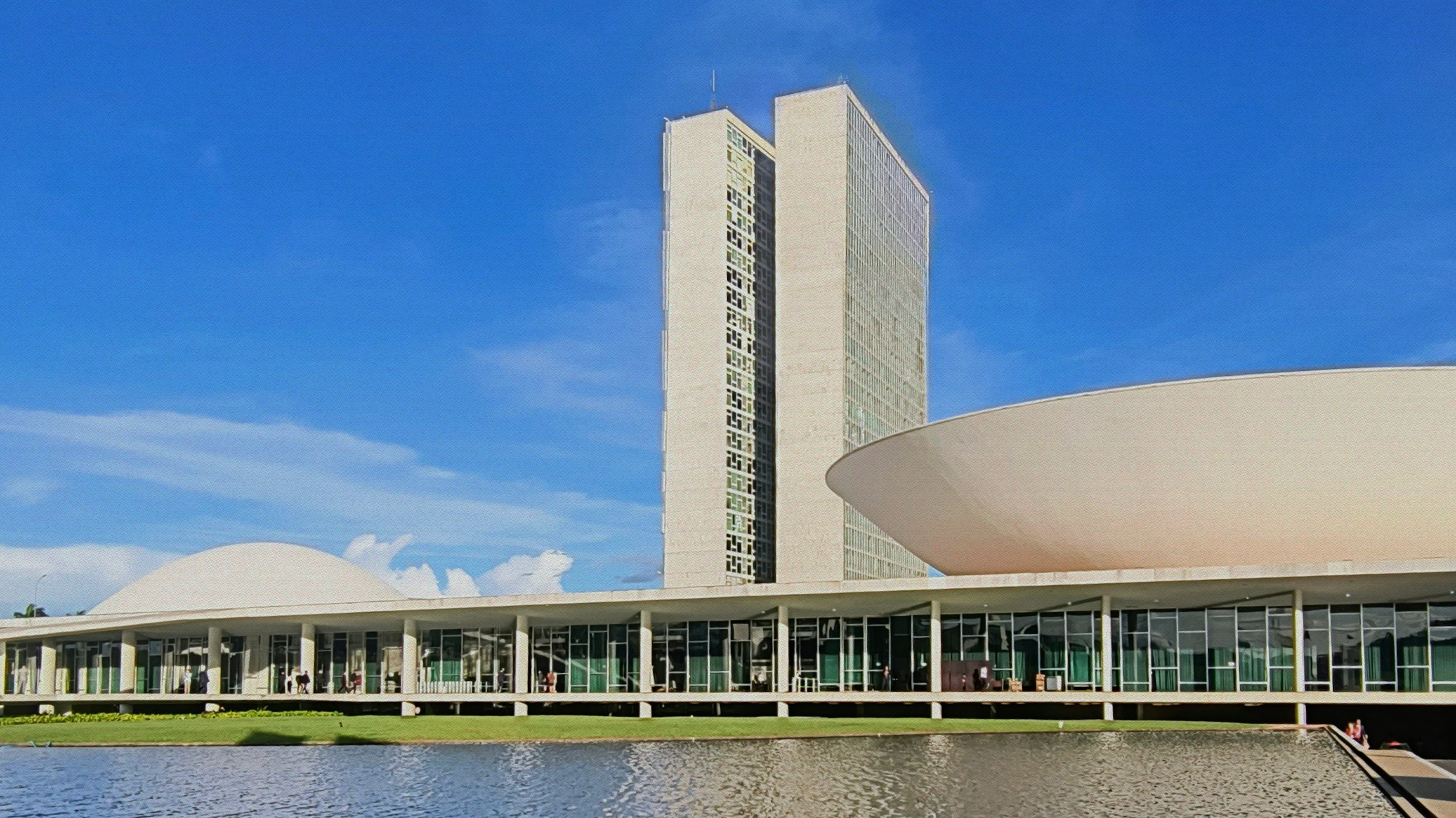 National Congress building in Brasília
Final Verdict: Are You a Geography Pro or Just a Tourist?
Misidentifying a world capital isn't just a mistake it's a sign that you've fallen for a country's best marketing. The biggest cities are designed to be seen, but the true capitals are designed to work. Whether it’s the quiet streets of Bern or the modernist curves of Brasília, these cities remind us that power doesn’t always need a famous skyline to change the world.
Want more practice?
Take today's free daily challenge — a new set of questions every 24 hours.
Start Today's Challenge Browse All Quizzes