⚖️ Politics

Countries & Borders

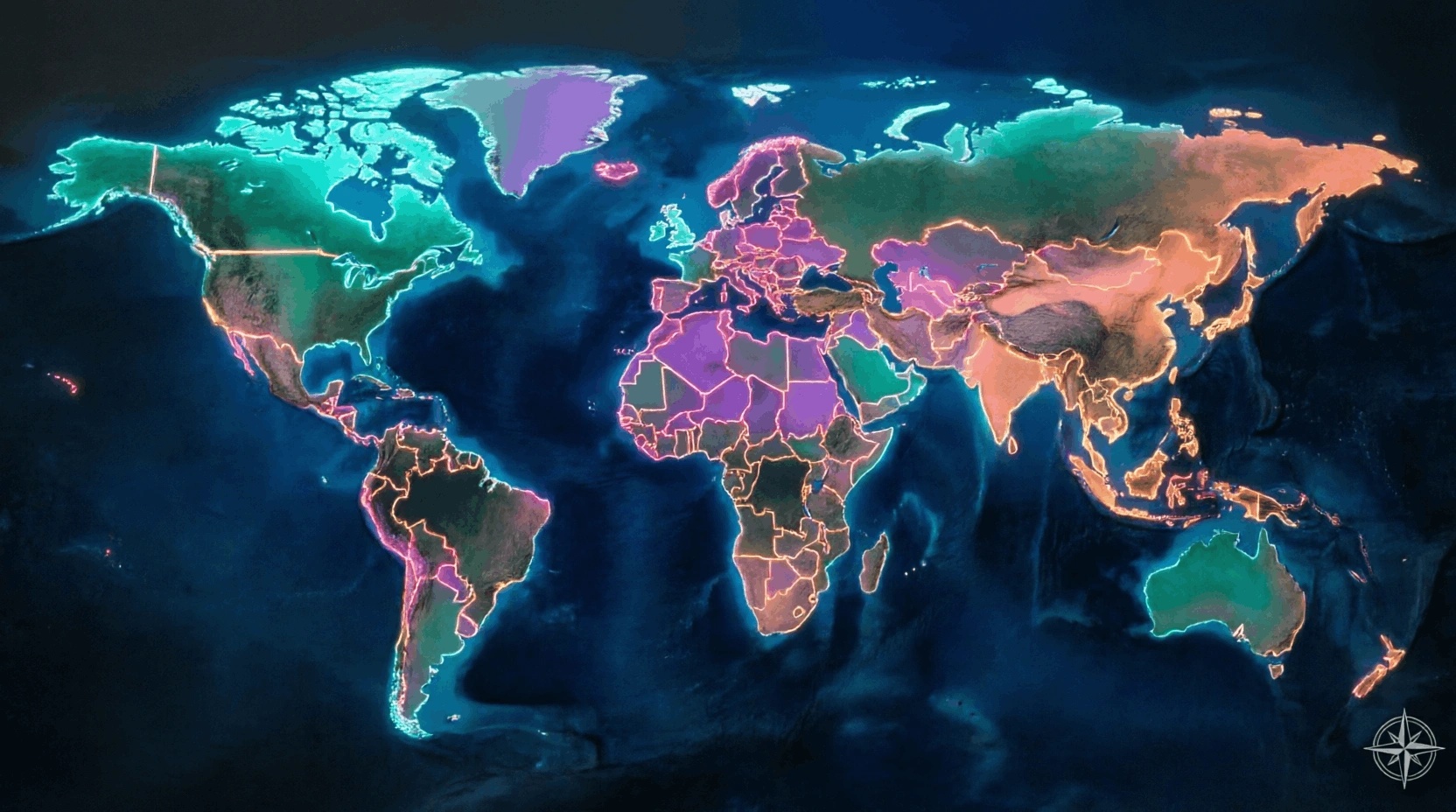
Countries and borders are at the heart of international politics, shaping diplomacy, security, trade, and cooperation between nations. Understanding how borders are created, managed, and sometimes disputed provides valuable insight into global affairs and modern geopolitics.

107 Questions
30 Flashcards
12 min Reading
Beginner Level

Browse Branches

Search and scan key facts for this topic.

Showing of

Named quizzes

Jump into a focused set for Countries & Borders.

About Countries & Borders

Countries and borders are at the heart of international politics, shaping diplomacy, security, trade, and cooperation between nations. Understanding how borders are created, managed, and sometimes disputed provides valuable insight into global affairs and modern geopolitics.

Read full about Countries & Borders →

This topic is part of Politics. Explore the guide, then practice with flashcards and quizzes to lock in what you learn.

⚖️ Did you know?

Countries & Borders includes 107 curated questions across Politics.

⚖️ Politics

Government Systems

How power is organized around the world.

Open Systems →

matching questions

Quick Facts

Questions
109
Difficulty
Mixed
Category
Politics

4. Study Guide

1 guide for Countries & Borders
Available
Browse all guides →

Flashcards

Which country was the first to give women the right to vote?

1 / 30

Study Flashcards

Practice Quiz

Test your knowledge with multiple choice questions.

107 Questions 15 min Time Unlimited Attempts

Practice Tests

Take a practice test and improve your score.

View all practice modes →

Frequently asked questions

Political sovereignty is the authority of a country to govern itself without external interference. It allows a nation to create laws, control its territory, manage its borders, and conduct foreign relations as an independent state.
Border disputes often arise because of historical claims, colonial-era boundaries, natural resources, or differing interpretations of treaties. Most countries seek to resolve these disagreements through diplomacy, negotiations, international courts, or arbitration rather than conflict.
Organizations such as the United Nations and the International Court of Justice provide platforms for dialogue and legal dispute resolution. They encourage peaceful negotiations and support international law to reduce tensions between countries.
Borders help governments regulate immigration, customs, trade, and the movement of people and goods. Effective border management also supports public safety, prevents illegal activities, and protects a country's sovereignty while allowing legitimate international travel and commerce.
Understanding countries and borders helps explain how governments interact, negotiate treaties, manage conflicts, and cooperate on global challenges. It also provides valuable insight into diplomacy, international law, trade, security, and the political forces that shape today's world.