


Politics
Understand how governments, policies, and political systems shape our world.
Overview
Learn about politics through clear explanations, interactive learning, and engaging practice. Explore governments, democracy, constitutions, elections, political ideologies, international relations, and public policy.
Where learners get stuck
Politics questions mix current leaders with system design. Know the structure (federal vs unitary, parliament vs presidential) before memorizing today’s cabinet list.
Quick quiz
Play 10 random Politics questions
Mixed MCQs from across this category. One page per question - see correct answers and explanations when you finish.
Popular Topics in Politics
View all topics →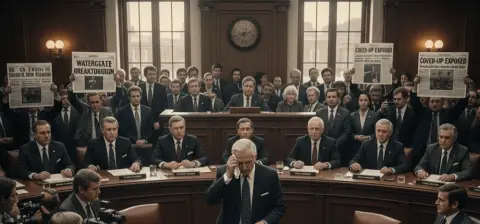
Political Events & Scandals
173 Questions
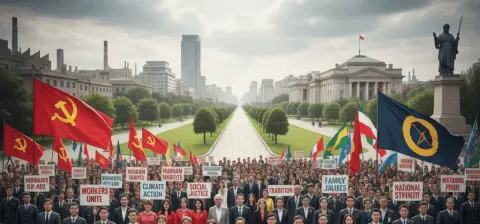
Political Ideologies
What each ideology claims about markets and authority.
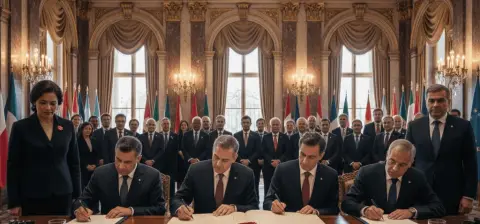
Political Treaties & Documents
168 Questions
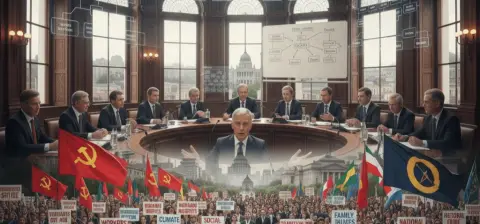
Politics - General
Elections, constitutions, and shared vocabulary.
Political Leaders & Heads of State
Name → country → office → era.
Elections & Voting
116 Questions
Governments & Parliaments
101 Questions
International Relations & Organizations
104 Questions
Political Events & Scandals
173 Questions

Political Geography & Nations
107 Questions
Political Ideologies
173 Questions
Political Leaders & Heads of State
128 Questions

Political Philosophy & Theory
78 Questions
Political Systems & Governance
80 Questions
Political Treaties & Documents
168 Questions
Politics - General
142 Questions
US Government & Politics
87 Questions