✈️ Transport & Travel

Cars & Automobiles

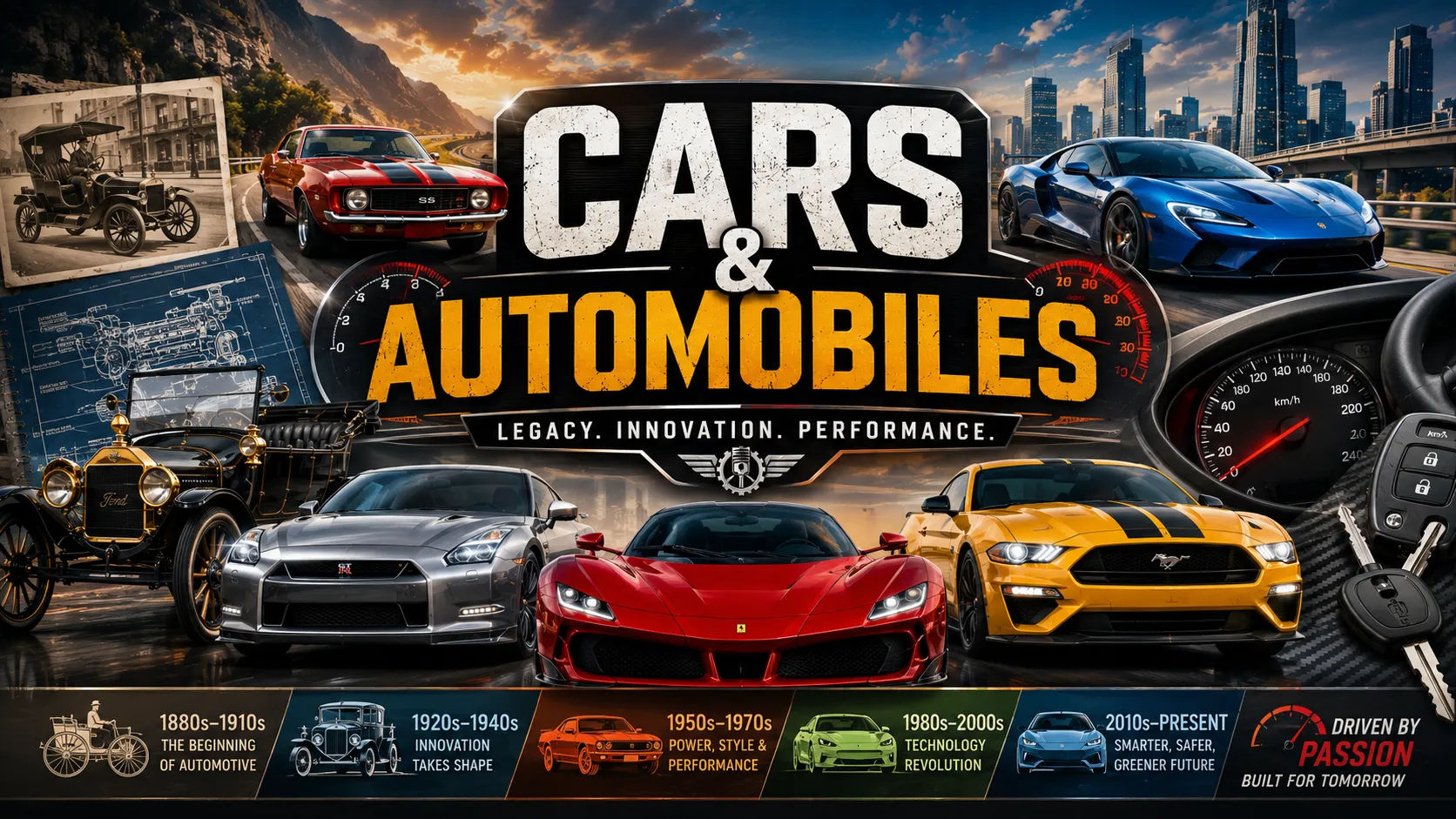
Cars have transformed the way people travel, work, and connect with the world. From the earliest motor vehicles to today's electric and self-driving technologies, automobiles continue to shape transportation, industry, and everyday life.
112 Questions
30 Flashcards
12 min Reading
Mixed Level

Browse Travel Modes

Search and scan key facts for this topic.

Showing of

Named quizzes

Jump into a focused set for Cars & Automobiles.

About Cars & Automobiles

Cars have transformed the way people travel, work, and connect with the world. From the earliest motor vehicles to today's electric and self-driving technologies, automobiles continue to shape transportation, industry, and everyday life.

Read full about Cars & Automobiles →

This topic is part of Transport & Travel. Explore the guide, then practice with flashcards and quizzes to lock in what you learn.

✈️ Did you know?

Cars & Automobiles includes 112 curated questions across Transport & Travel.

✈️ Transport & Travel

Travel Routes

Air, road, rail, and sea - the systems that connect us.

Open Routes →

matching questions

Quick Facts

Questions
30
Difficulty
Mixed
Category
Transport & Travel

4. Study Guide

1 guide for Cars & Automobiles

Available
Browse all guides →

Flashcards

Who is widely credited with inventing the first true gasoline - powered automobile in 1885?

1 / 30

Study Flashcards

Practice Quiz

Test your knowledge with multiple choice questions.

112 Questions 15 min Time Unlimited Attempts

Practice Tests

Take a practice test and improve your score.

View all practice modes →

Frequently asked questions

The first practical gasoline-powered automobile is widely credited to Karl Benz, who introduced the Benz Patent-Motorwagen in 1886. His invention marked the beginning of the modern automotive industry and paved the way for the development of cars as we know them today.
Cars are designed for different purposes and include hatchbacks, sedans, SUVs, pickup trucks, coupes, convertibles, sports cars, luxury cars, and electric vehicles. Each type offers unique features suited to different driving needs and lifestyles.
Electric cars produce no exhaust emissions during driving, are generally quieter, and require fewer moving parts than traditional gasoline vehicles. Improvements in battery technology, charging infrastructure, and environmental awareness have contributed to their growing popularity around the world.
Modern vehicles include advanced safety features such as airbags, anti-lock braking systems (ABS), electronic stability control, lane-keeping assistance, adaptive cruise control, and automatic emergency braking. These technologies help reduce accidents and improve passenger protection.
Understanding automobiles helps you appreciate how transportation has evolved and how engineering continues to improve safety, efficiency, and sustainability. It also provides useful knowledge about vehicle technology, road safety, environmental impact, and the innovations shaping the future of travel.