
Mountains & Peaks
Mountains and peaks are among Earth's most spectacular natural features, rising high above the surrounding landscape and shaping climates, ecosystems, and human history. From the towering Himalayas to volcanic summits and snow-covered alpine ranges, these majestic landforms continue to inspire explorers, scientists, and travelers around the world.
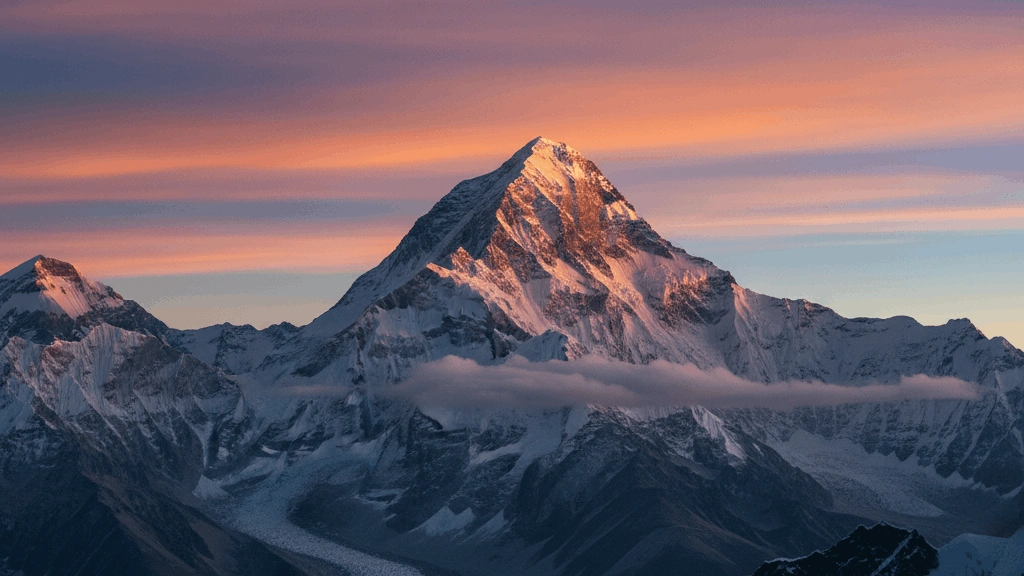
About Mountains & Peaks
Mountains and peaks are among Earth's most spectacular natural features, rising high above the surrounding landscape and shaping climates, ecosystems, and human history. From the towering Himalayas to volcanic summits and snow-covered alpine ranges, these majestic landforms continue to inspire explorers, scientists, and travelers around the world.
Read full about Mountains & Peaks →This topic is part of Geography - use the map and continents tools below, then practice with flashcards and quizzes.
🌍 Did you know?
Mountains & Peaks includes 100 curated questions across Geography.
🌍 Geography
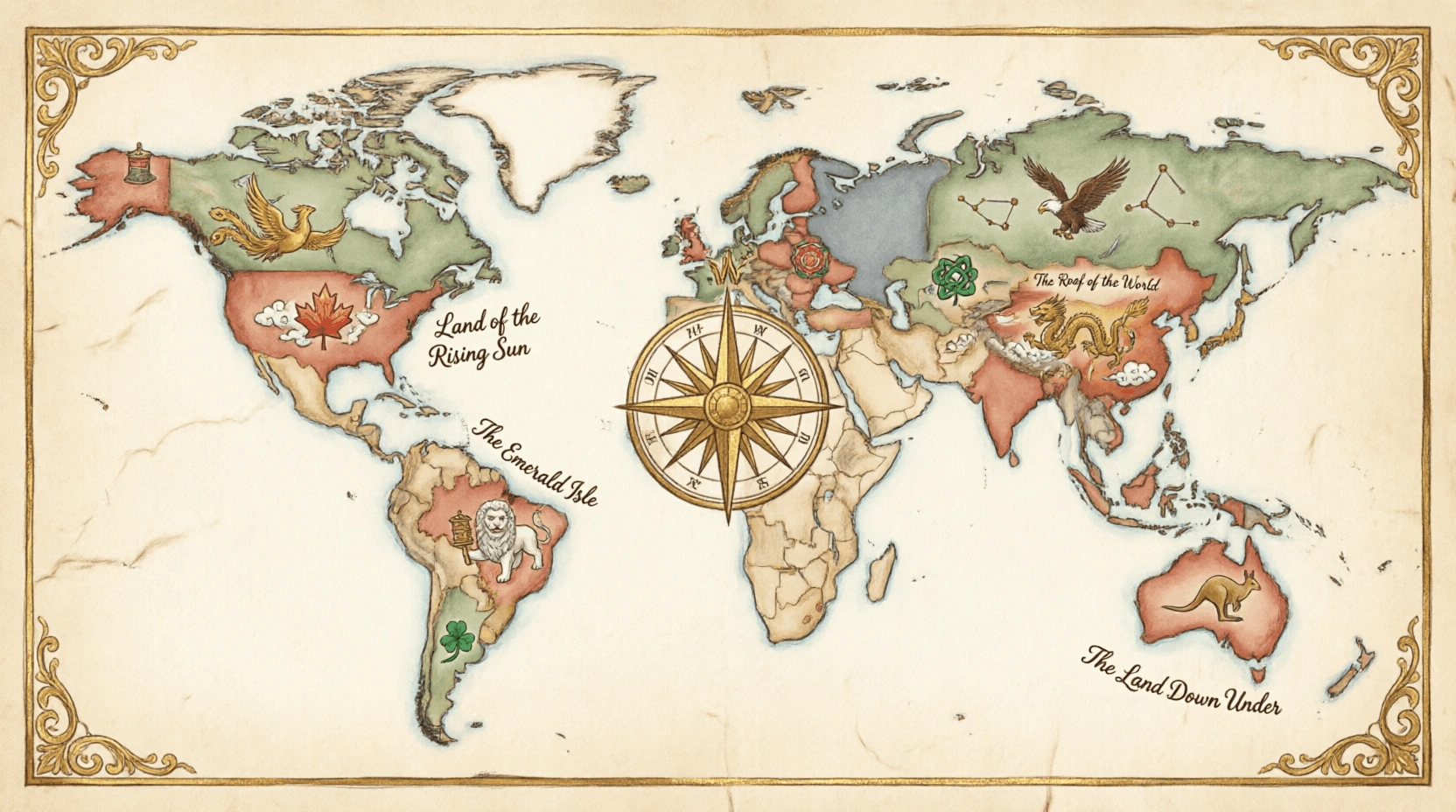
Interactive World Map
Click regions to discover capitals, borders, and facts.
Interactive map for Mountains & Peaks
Countries by Continent
Browse how the world is divided.
4. Study Guide
1 guide for Mountains & Peaks
Flashcards
Which is the highest peak in Mexico?
1 / 50
Practice Quiz
Test your knowledge with multiple choice questions.
Practice Tests
Take a practice test and improve your score.
View all practice modes →Latest Articles
View all →
Countries with the Most Languages: The 2026 Global Diversity Report
Apr 30, 2026 · 5 min
World's Longest Rivers: A Complete Information (2026 Ranking & Facts)
Apr 5, 2026 · 6 min
Highest Peaks on Every Continent: The "Seven Summits"
Mar 29, 2026 · 5 min
Every Ocean Explained: Facts, Depth & Records
Mar 25, 2026 · 5 min
Related Topics
View all →



Frequently asked questions
Discussion
Ask questions, share knowledge and help others.
Be the first to start a discussion about Mountains & Peaks.