⚖️ Politics

Elections & Voting

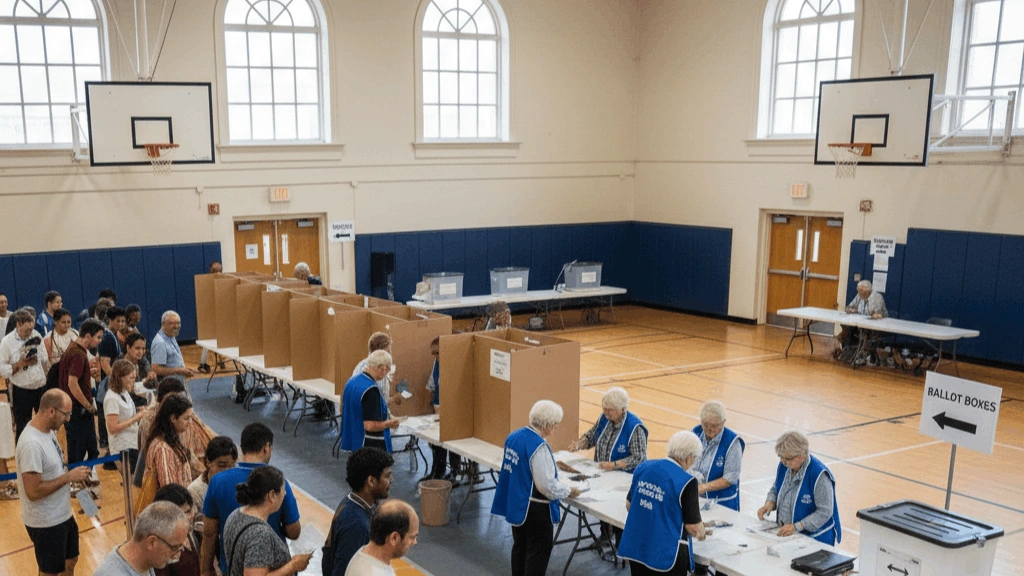
Elections and voting are at the heart of democratic societies, giving citizens the opportunity to choose their leaders and influence public policy. Understanding how elections work helps explain how governments are formed and how people participate in shaping their country's future.
112 Questions
🃏
56 Flashcards
⏱️
12 min Reading
📶
Beginner Difficulty

About Elections & Voting

Elections and voting are at the heart of democratic societies, giving citizens the opportunity to choose their leaders and influence public policy. Understanding how elections work helps explain how governments are formed and how people participate in shaping their country's future.

Read full about Elections & Voting →

This topic is part of Politics - use the systems and branches tools below, then practice with flashcards and quizzes.

⚖️ Did you know?

Elections & Voting includes 112 curated questions across Politics.

⚖️ Politics

Government Systems

How power is organized around the world.

Open full view →
🏛️
Executive
📜
Legislative
⚖️
Judiciary

Browse Branches

Explore the pillars of government.

View all →
🏛️
Executive
Leaders & cabinets
📜
Legislative
Lawmaking
⚖️
Judiciary
Courts
🗳️
Elections
Voting
📗
Constitutions
Founding laws
🤝
Diplomacy
Foreign affairs

4. Study Guide

1 guide for Elections & Voting

Available
Browse all guides →

Flashcards

In campaign finance, what term refers to political spending by nonprofit organizations that are not legally required to disclose the identities of their donors?

1 / 56

Study Flashcards

Practice Quiz

Test your knowledge with multiple choice questions.

❓ 112 Questions ⏱️ 15 min Time 🔁 Unlimited Attempts

Practice Tests

Take a practice test and improve your score.

View all practice modes →

Frequently asked questions

Elections allow citizens to choose their representatives and hold governments accountable. They provide a peaceful way to transfer political power and ensure that leaders govern with the consent of the people.
The most widely used voting systems include first-past-the-post, proportional representation, and ranked-choice voting. Different countries choose systems that best suit their political structure and representation goals.
A free and fair election gives eligible citizens the opportunity to vote without intimidation, ensures that votes are counted accurately, and is administered by independent authorities following transparent rules and legal procedures.
An election is used to choose representatives or government leaders, while a referendum allows citizens to vote directly on a specific law, constitutional amendment, or public policy issue.
Understanding elections and voting helps you become a more informed citizen by explaining how governments are formed, how public decisions are made, and why civic participation is essential for a healthy and effective democracy.

Discussion

Ask questions, share knowledge and help others.

View all →
Log in to join the discussion about Elections & Voting.

Be the first to start a discussion about Elections & Voting.