
Political Leaders & Heads of State
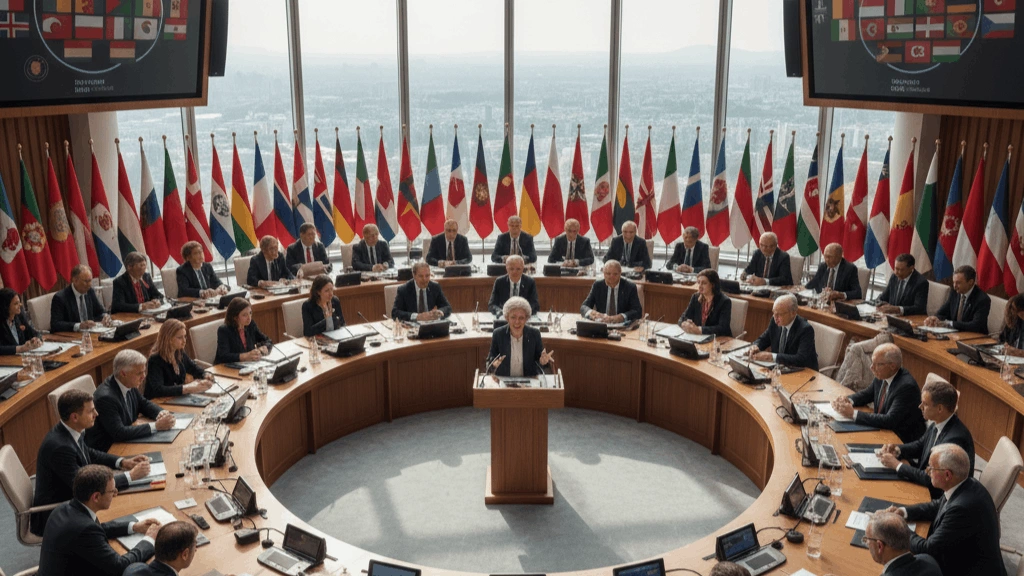
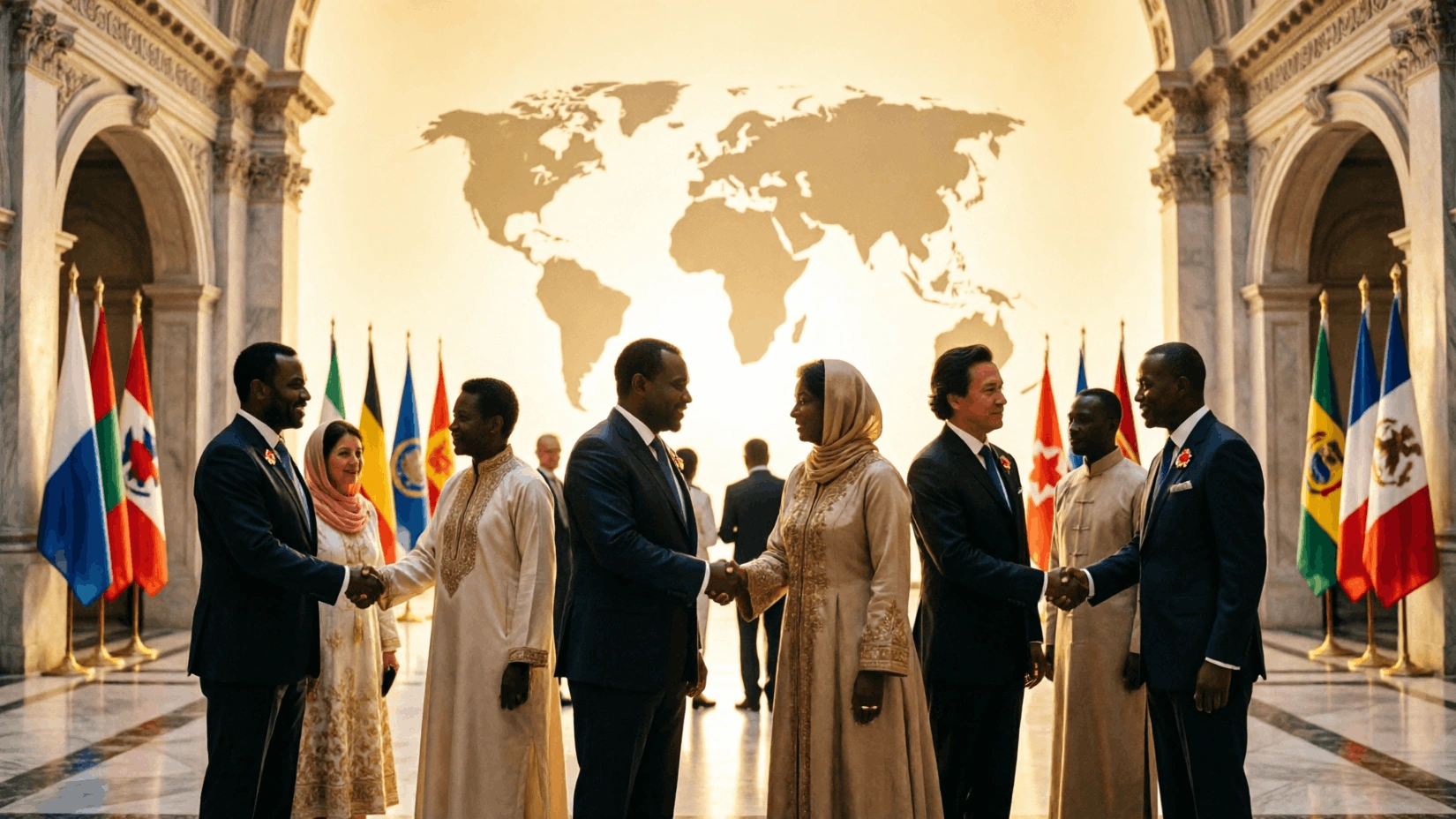
World leaders and heads of state are central figures in national governance, diplomacy, and international relations. They represent their countries, influence public policy, negotiate international agreements, respond to global challenges, and help shape the political direction of their nations. Understanding their roles provides valuable insight into how governments function and how countries interact on the world stage.
Start learning Political Leaders & Heads of State
Pick a path - everything here is ready for this topic.
Browse Branches
Search and scan key facts for this topic.
Showing of rows
Named quizzes
Jump into a focused set for Political Leaders & Heads of State.
About Political Leaders & Heads of State
World leaders and heads of state are central figures in national governance, diplomacy, and international relations. They represent their countries, influence public policy, negotiate international agreements, respond to global challenges, and help shape the political direction of their nations. Understanding their roles provides valuable insight into how governments function and how countries interact on the world stage.
Read full about Political Leaders & Heads of State →This topic is part of Politics. Explore the guide, then practice with flashcards and quizzes to lock in what you learn.
⚖️ Did you know?
Political Leaders & Heads of State includes 79 curated questions across Politics.
Quick Facts
- Questions
- 79
- Difficulty
- Mixed
- Category
- Politics
4. Study Guide
1 guide for Political Leaders & Heads of State
Flashcards
Who was the first US President?
1 / 30
Practice Quiz
Test your knowledge with multiple choice questions.
Practice Tests
Take a practice test and improve your score.
View all practice modes →