
All Geography Topics
18 topics · Learn geography through interactive lessons, practice, and quizzes.
Capitals
Capital cities are often the political, cultural, and historical centers of a country. Learning about world capitals not only improves your geography knowledge but also offers a deeper understanding of nations, their governments, and the people who live there.
Coastlines & Borders
Coastlines and borders shape the geography of every country, influencing trade, culture, travel, and international relations. From rugged coastlines to carefully defined land boundaries, these features help explain how nations connect with both their neighbors and the wider world.
Countries & Borders
Countries and borders help us understand how the world is organized, connecting geography with history, culture, and politics. By learning where countries are located and how they share boundaries, we gain a clearer picture of the planet and the relationships between nations.
Country Nicknames & Symbols
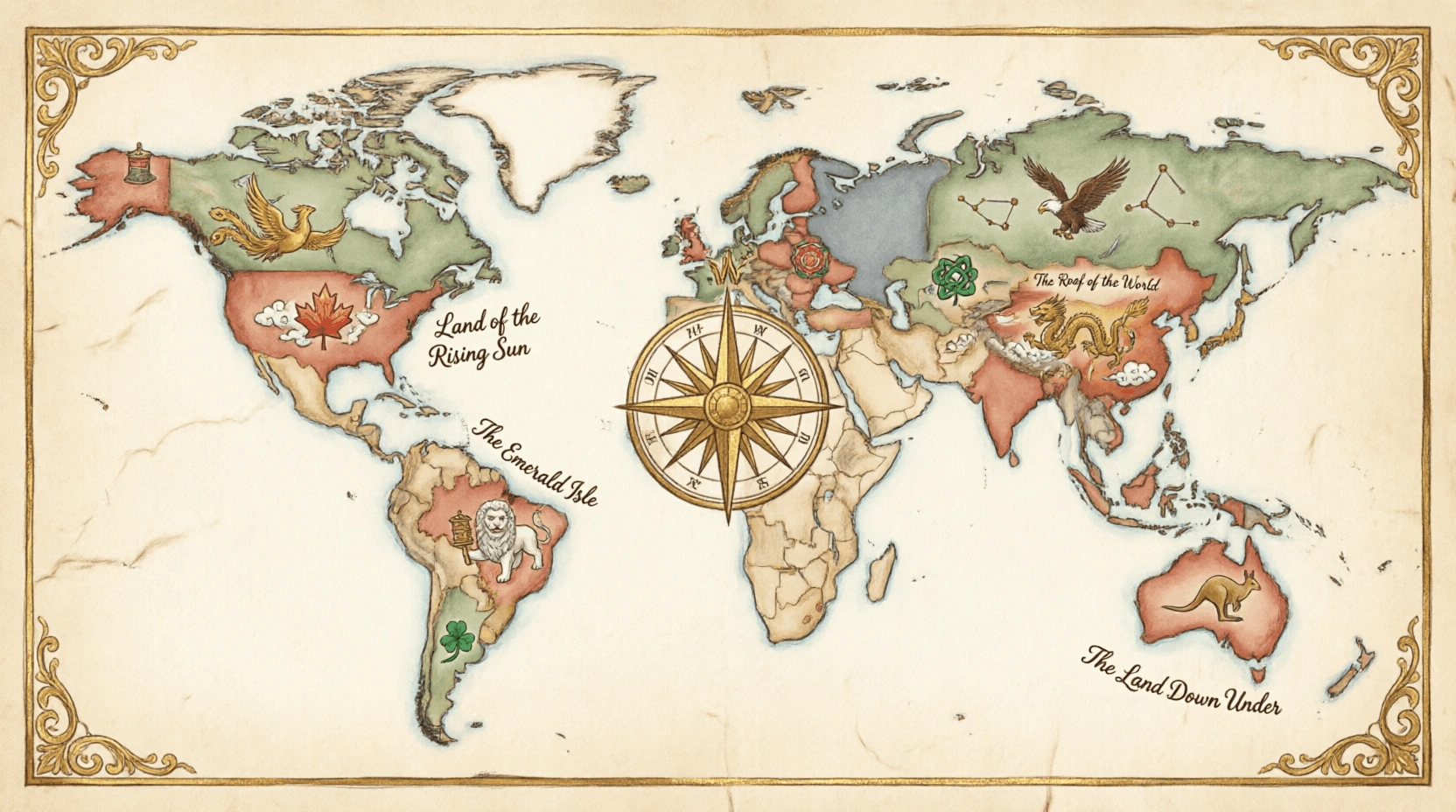
Every country has symbols and nicknames that reflect its history, culture, geography, or national identity. From iconic animals and flags to memorable titles like the "Land of the Rising Sun," these symbols help tell the unique story of each nation.

Currency & Language
Currencies and languages are two of the most recognizable features of every country, reflecting its identity, culture, and history. Learning about them makes geography more meaningful while helping us better understand how people communicate, trade, and connect across the world.

Deserts
Deserts are some of the most fascinating landscapes on Earth, known for their extreme climates, unique wildlife, and breathtaking scenery. Although they may appear empty, deserts are rich in life, history, and natural wonders that have shaped human civilizations for thousands of years.

Earth Science & Geology
Earth's landscapes are constantly changing, shaped by powerful natural forces over millions of years. Earth science and geology help us understand how mountains rise, rivers carve valleys, volcanoes erupt, and continents slowly move across the planet.

Flags
Explore the flags of the world and the stories behind their colors, symbols, patterns, and national identities. Test how well you can recognize country flags, understand their meanings, and distinguish similar designs from around the globe.

General Geography
Geography is the study of our world, its landscapes, countries, climates, people, and the connections between them. From towering mountain ranges to bustling cities and remote islands, geography helps us understand the planet we live on and the forces that continue to shape it.

Islands & Archipelagos
From tiny tropical atolls to the world's largest landmasses surrounded by water, islands and archipelagos are among Earth's most fascinating geographical features. Learning about them reveals how geography, climate, wildlife, and human cultures have evolved in unique and often isolated environments.

Lakes
Lakes are among Earth's most valuable natural resources, providing freshwater, supporting diverse ecosystems, and shaping landscapes around the world. From the vast waters of Lake Superior to the ancient depths of Lake Baikal, lakes play an essential role in geography, climate, wildlife, and human civilization.

Landforms & Terrain
Earth's surface is constantly shaped by powerful natural forces, creating mountains, valleys, plains, deserts, and countless other landforms. Learning about landforms and terrain helps us understand how our planet has evolved and how geography influences climate, ecosystems, transportation, and human settlement.
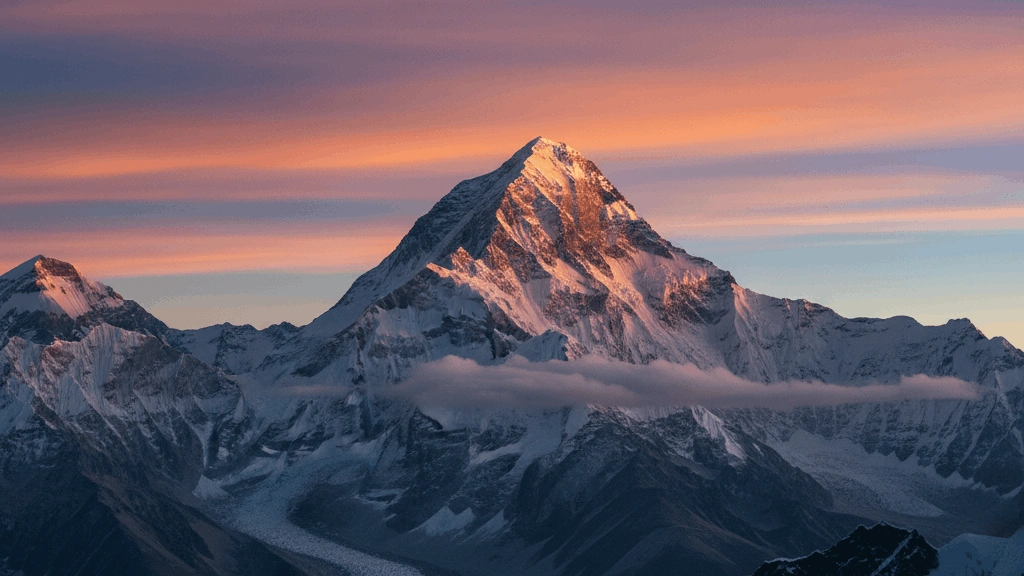
Mountains & Peaks
Mountains and peaks are among Earth's most spectacular natural features, rising high above the surrounding landscape and shaping climates, ecosystems, and human history. From the towering Himalayas to volcanic summits and snow-covered alpine ranges, these majestic landforms continue to inspire explorers, scientists, and travelers around the world.

Natural Resources & Production
Natural resources are the foundation of life and economic development, providing the raw materials needed for food, energy, manufacturing, transportation, and technology. Understanding where resources are found, how they are produced, and how they are managed is essential for studying geography and sustainable development.

Oceans
Oceans cover more than 70% of Earth's surface, making them the planet's largest ecosystems and one of the most important factors shaping climate, weather, biodiversity, and human civilization. They connect continents, support millions of species, and provide food, transportation, energy, and livelihoods for billions of people.
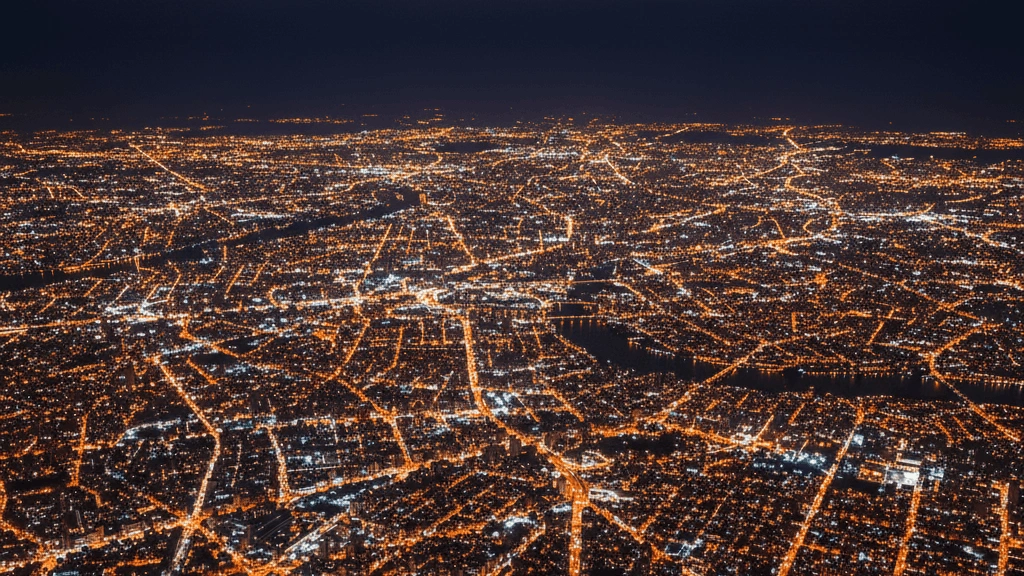
Population & Density
Population and population density are fundamental concepts in geography that help explain where people live, why settlements develop in certain places, and how human populations interact with the environment. Studying population patterns provides valuable insight into urbanization, economic development, resource use, and the challenges faced by different regions of the world.
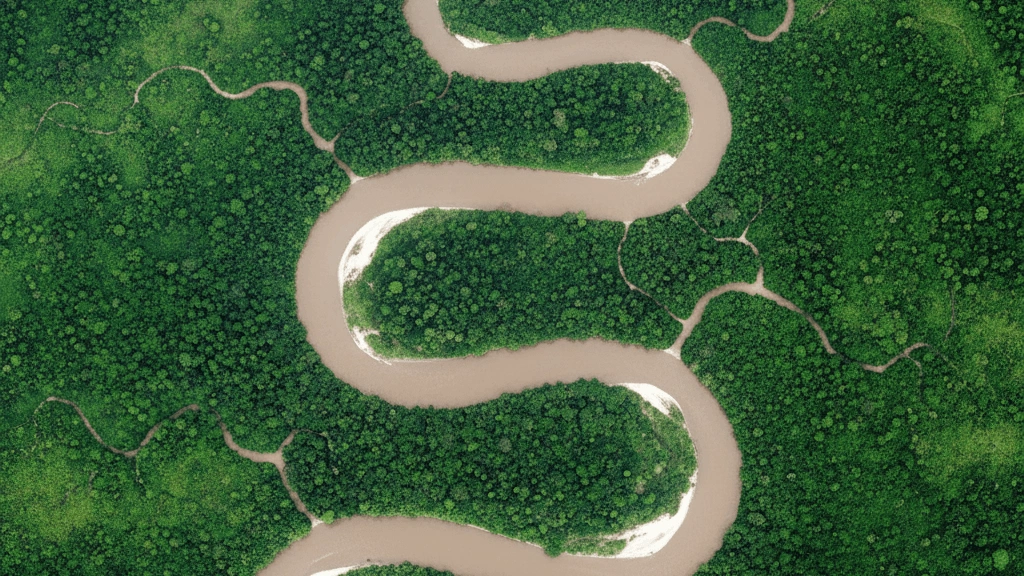
Rivers
Rivers are among Earth's most important natural features, shaping landscapes, supporting ecosystems, and sustaining human civilizations for thousands of years. They provide fresh water, fertile land, transportation routes, hydroelectric power, and habitats for countless plants and animals, making them essential to life and development.
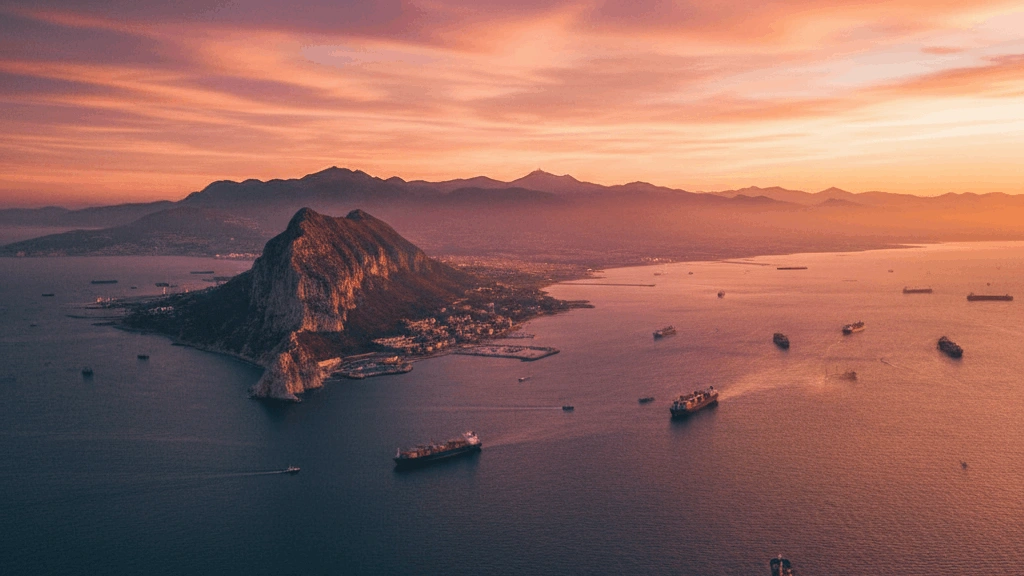
Seas, Straits & Water Bodies
Seas, straits, and other water bodies are essential features of the Earth's surface, shaping climates, ecosystems, trade routes, and human civilizations. They connect continents, support marine life, facilitate global transportation, and influence weather patterns, making them a vital part of physical geography.