
Oceans
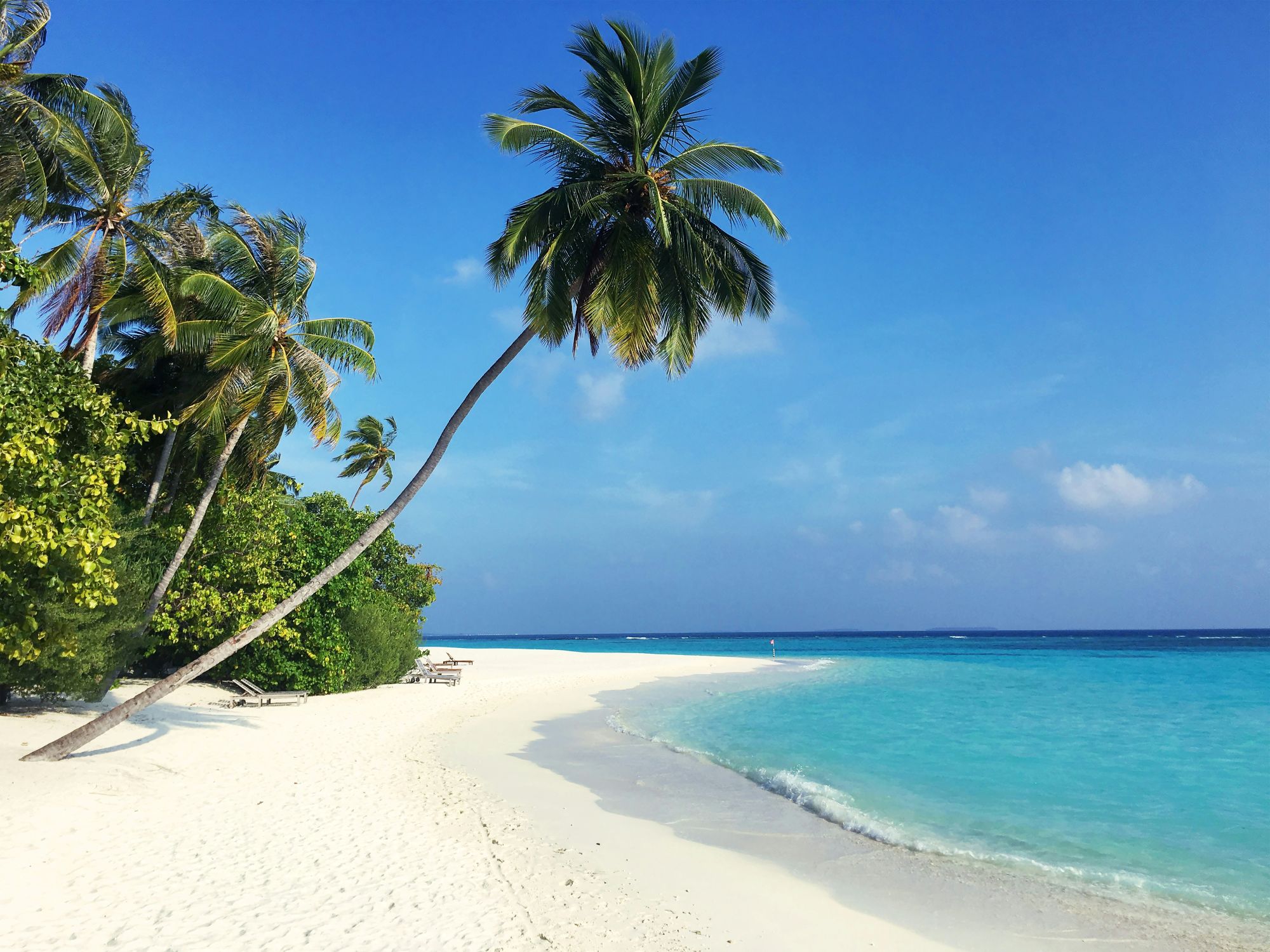
Oceans cover more than 70% of Earth's surface, making them the planet's largest ecosystems and one of the most important factors shaping climate, weather, biodiversity, and human civilization. They connect continents, support millions of species, and provide food, transportation, energy, and livelihoods for billions of people.

About Oceans
Oceans cover more than 70% of Earth's surface, making them the planet's largest ecosystems and one of the most important factors shaping climate, weather, biodiversity, and human civilization. They connect continents, support millions of species, and provide food, transportation, energy, and livelihoods for billions of people.
Read full about Oceans →This topic is part of Geography - use the map and continents tools below, then practice with flashcards and quizzes.
🌍 Did you know?
Oceans includes 93 curated questions across Geography.
🌍 Geography
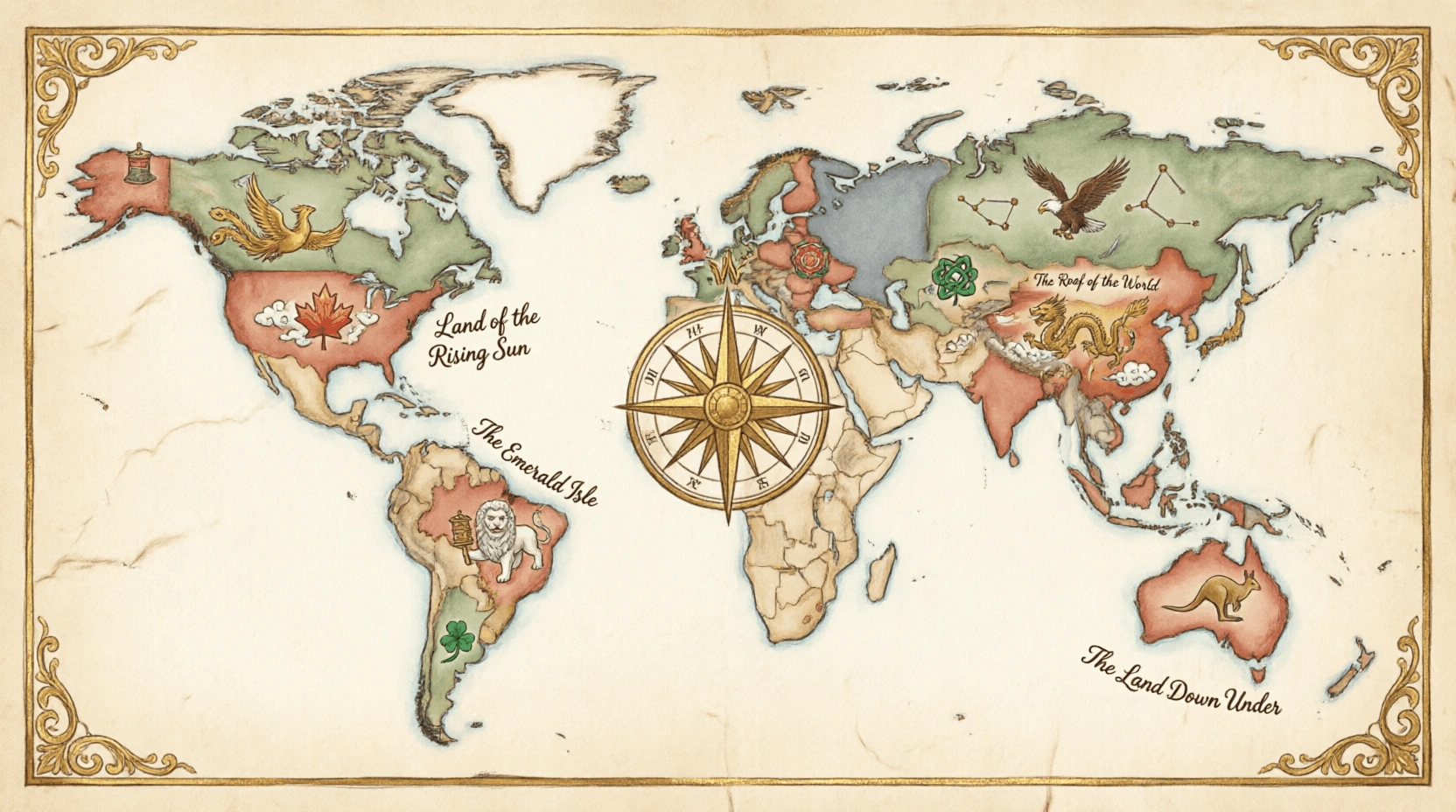
Interactive World Map
Click regions to discover capitals, borders, and facts.
Interactive map for Oceans
Countries by Continent
Browse how the world is divided.
4. Study Guide
1 guide for Oceans
Flashcards
What fraction of global oxygen is produced by ocean phytoplankton?
1 / 46
Practice Quiz
Test your knowledge with multiple choice questions.
Practice Tests
Take a practice test and improve your score.
View all practice modes →Latest Articles
View all →
Related Topics
View all →



Frequently asked questions
Discussion
Ask questions, share knowledge and help others.
Be the first to start a discussion about Oceans.