🌍 Geography

Islands & Archipelagos

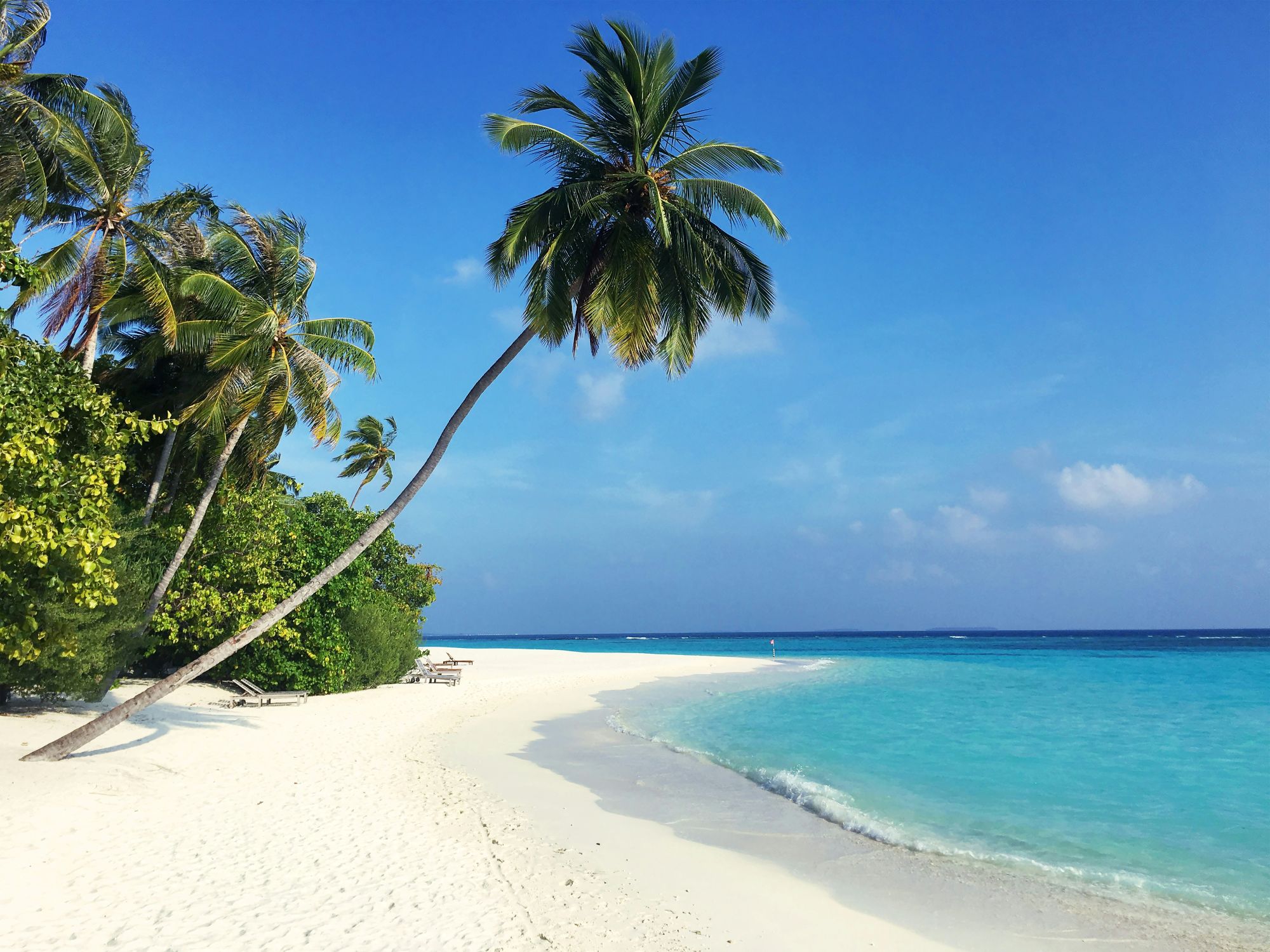
From tiny tropical atolls to the world's largest landmasses surrounded by water, islands and archipelagos are among Earth's most fascinating geographical features. Learning about them reveals how geography, climate, wildlife, and human cultures have evolved in unique and often isolated environments.

100 Questions
🃏
50 Flashcards
⏱️
12 min Reading
📶
Beginner Difficulty

About Islands & Archipelagos

From tiny tropical atolls to the world's largest landmasses surrounded by water, islands and archipelagos are among Earth's most fascinating geographical features. Learning about them reveals how geography, climate, wildlife, and human cultures have evolved in unique and often isolated environments.

Read full about Islands & Archipelagos →

This topic is part of Geography - use the map and continents tools below, then practice with flashcards and quizzes.

🌍 Did you know?

Islands & Archipelagos includes 100 curated questions across Geography.

🌍 Geography

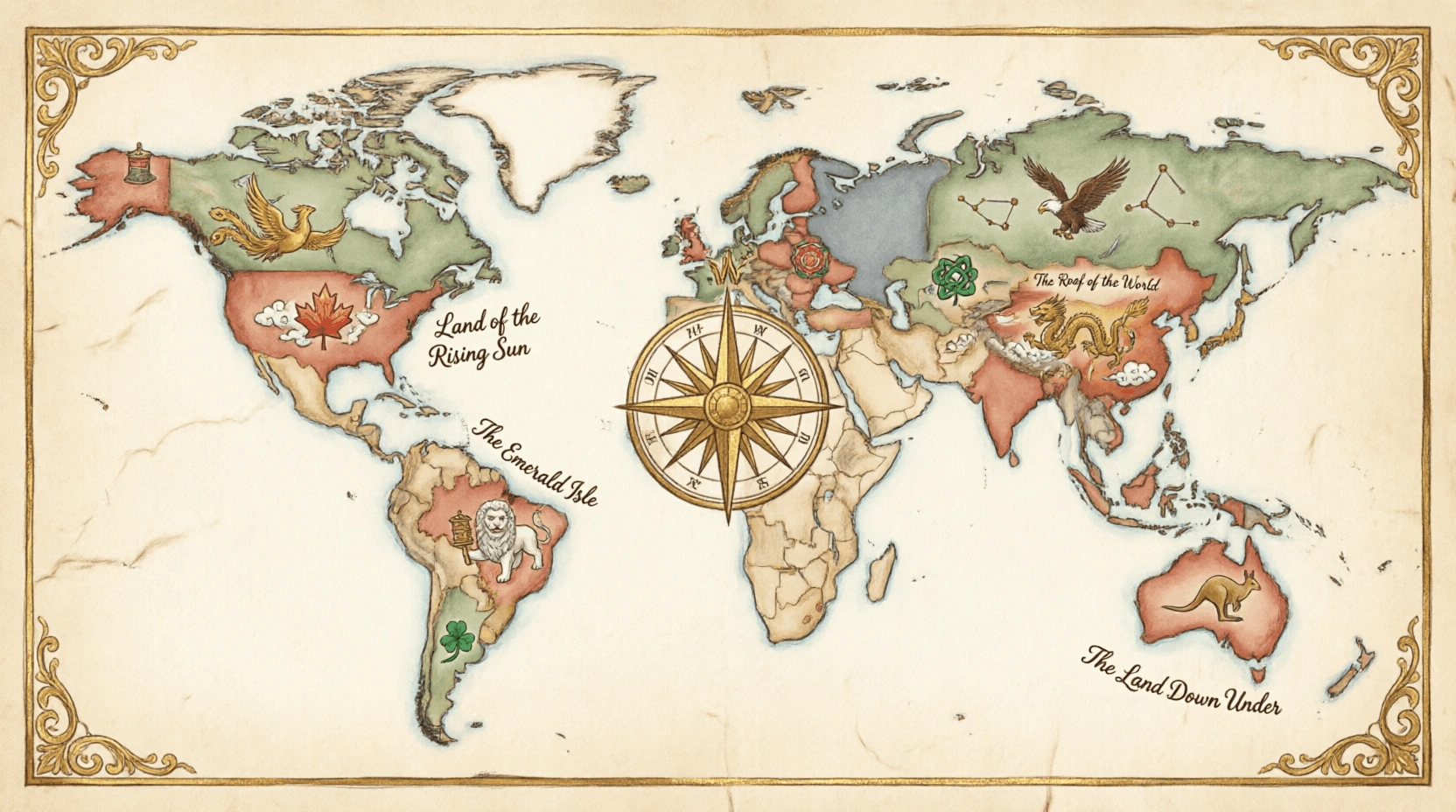
Interactive World Map

Click regions to discover capitals, borders, and facts.

Open full view →
🗺️

Interactive map for Islands & Archipelagos

Countries by Continent

Browse how the world is divided.

View all →
🌍
Africa
54 Countries
🌏
Asia
48 Countries
🏰
Europe
44 Countries
🌎
North America
23 Countries
🏞️
South America
12 Countries
🌊
Oceania
14 Countries

4. Study Guide

1 guide for Islands & Archipelagos

Available
Browse all guides →

Flashcards

What is the term for a ring-shaped coral island?

1 / 50

Study Flashcards

Practice Quiz

Test your knowledge with multiple choice questions.

❓ 100 Questions ⏱️ 15 min Time 🔁 Unlimited Attempts

Practice Tests

Take a practice test and improve your score.

View all practice modes →

Latest Articles

View all →

Frequently asked questions

An island is a single landmass completely surrounded by water, while an archipelago is a group or chain of islands located close to one another. Examples of archipelagos include Indonesia, Japan, and the Philippines.
Islands form through several natural processes, including volcanic eruptions, continental drift, and coral reef growth. Some islands emerge from underwater volcanoes, while others separate from continents or develop as coral organisms build reefs over thousands of years.
Greenland is the world's largest island that is not classified as a continent. It covers more than 2 million square kilometers and is largely covered by an ice sheet.
The Galápagos Islands are famous for their unique wildlife and their influence on Charles Darwin's theory of evolution by natural selection. Many species found there exist nowhere else on Earth.
Learning about islands and archipelagos helps you understand Earth's geography, geology, biodiversity, and cultures. It also explains how natural processes shape landscapes, why island ecosystems are unique, and how these remarkable places contribute to our understanding of the planet.

Discussion

Ask questions, share knowledge and help others.

View all →
Log in to join the discussion about Islands & Archipelagos.

Be the first to start a discussion about Islands & Archipelagos.