
Governments & Parliaments
Governments and parliaments are the institutions that make laws, provide public services, and guide the development of a country. Understanding how they work helps us see how decisions are made, how leaders are held accountable, and how citizens are represented in a democracy.
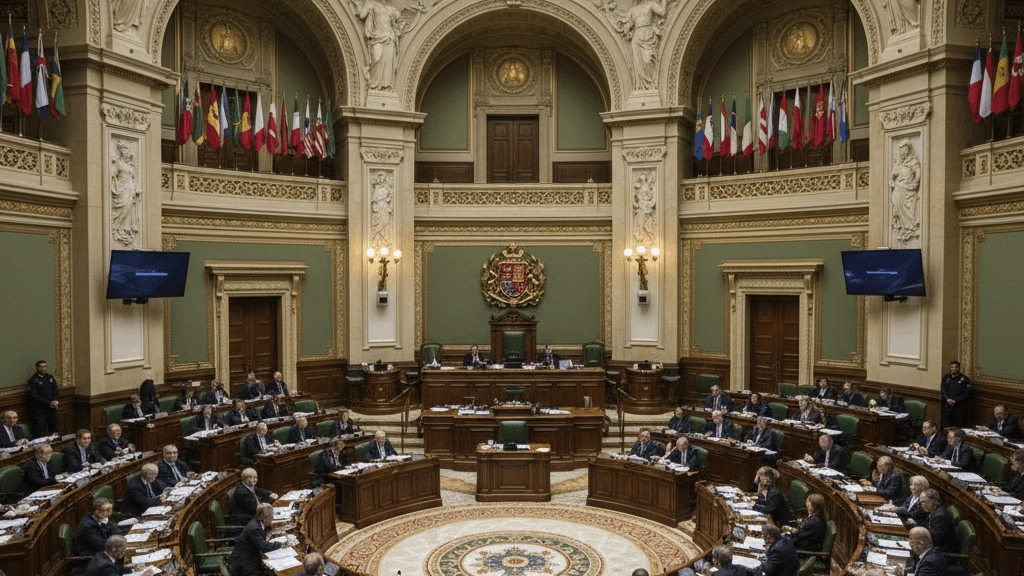
Start learning Governments & Parliaments
Pick a path - everything here is ready for this topic.
Browse Branches
Search and scan key facts for this topic.
Showing of
Named quizzes
Jump into a focused set for Governments & Parliaments.
About Governments & Parliaments
Governments and parliaments are the institutions that make laws, provide public services, and guide the development of a country. Understanding how they work helps us see how decisions are made, how leaders are held accountable, and how citizens are represented in a democracy.
Read full about Governments & Parliaments →This topic is part of Politics. Explore the guide, then practice with flashcards and quizzes to lock in what you learn.
⚖️ Did you know?
Governments & Parliaments includes 101 curated questions across Politics.
⚖️ Politics
Government Systems
How power is organized around the world.
Quick Facts
- Questions
- 94
- Difficulty
- Mixed
- Category
- Politics
4. Study Guide
1 guide for Governments & Parliaments
Flashcards
Which body is the lower house of the Indian Parliament?
1 / 30
Practice Quiz
Test your knowledge with multiple choice questions.
Practice Tests
Take a practice test and improve your score.
View all practice modes →