🔬 Science

Environment & Ecology

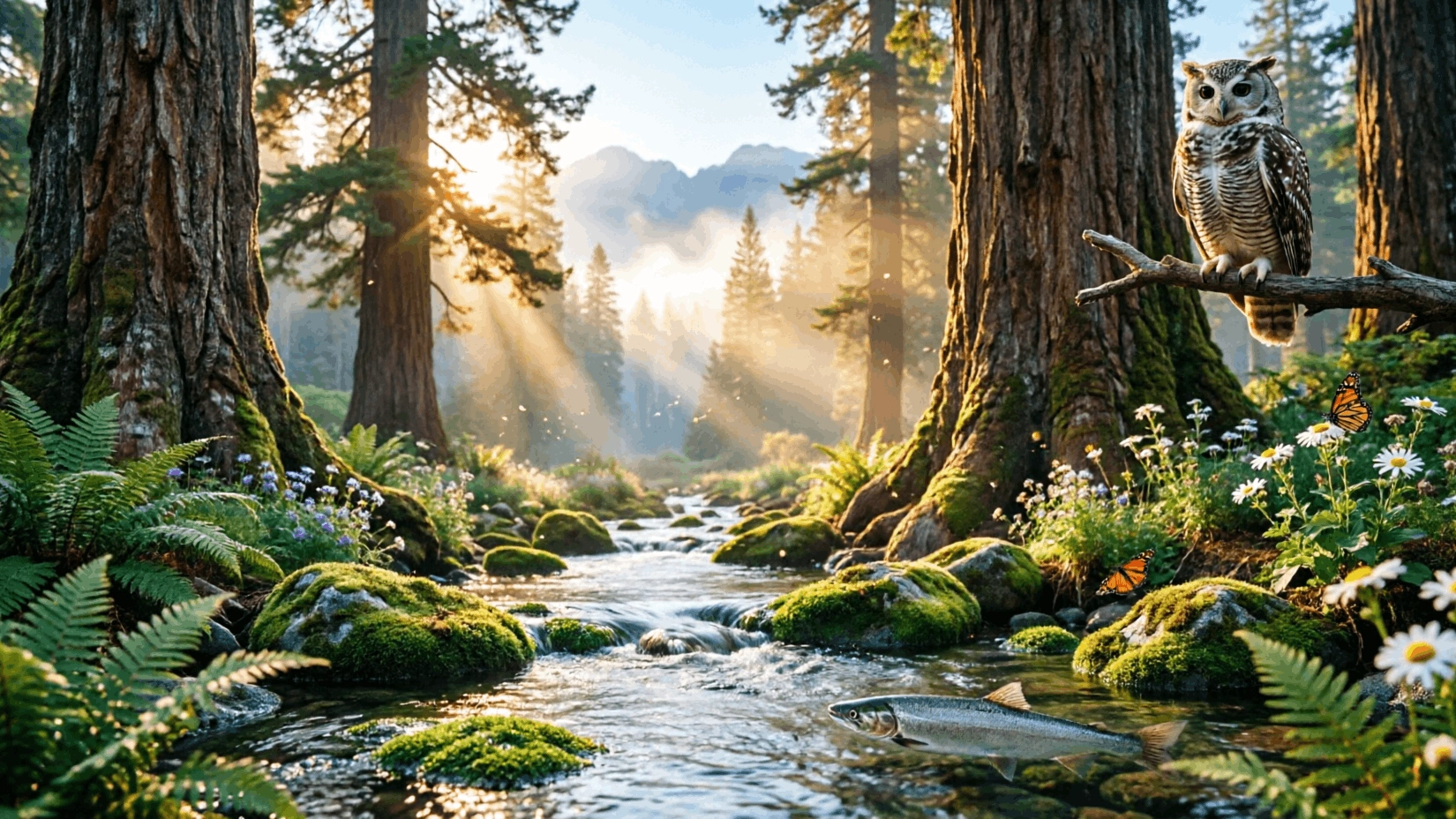
The natural world is a complex web of life where every organism, from tiny insects to towering trees, plays an important role. Environment and ecology help us understand how living things interact with each other and with the planet, making them essential subjects for anyone interested in science and the future of Earth.
105 Questions
🃏
52 Flashcards
⏱️
12 min Reading
📶
Beginner Difficulty

About Environment & Ecology

The natural world is a complex web of life where every organism, from tiny insects to towering trees, plays an important role. Environment and ecology help us understand how living things interact with each other and with the planet, making them essential subjects for anyone interested in science and the future of Earth.

Read full about Environment & Ecology →

This topic is part of Science - use the lab and fields tools below, then practice with flashcards and quizzes.

🔬 Did you know?

Environment & Ecology includes 105 curated questions across Science.

🔬 Science

Concept Lab

Visual diagrams and core science concepts to explore.

Open full view →
🧬
DNA
⚛️
Atoms
🌋
Earth
🌌
Space
🧪
Reactions
🫀
Body

Science Fields

Browse major branches of science.

View all →
🧬
Biology
Life sciences
⚗️
Chemistry
Matter & reactions
⚛️
Physics
Forces & energy
🌌
Astronomy
Space & cosmos
🌋
Earth Science
Planet systems
🫀
Human Body
Anatomy & health

4. Study Guide

1 guide for Environment & Ecology

Available
Browse all guides →

Flashcards

Which chemical was banned to protect the ozone layer?

1 / 52

Study Flashcards

Practice Quiz

Test your knowledge with multiple choice questions.

❓ 105 Questions ⏱️ 15 min Time 🔁 Unlimited Attempts

Practice Tests

Take a practice test and improve your score.

View all practice modes →

Latest Articles

View all →

Frequently asked questions

The environment includes everything that surrounds living organisms, such as air, water, land, and other living things. Ecology is the scientific study of how organisms interact with each other and with their environment.
Ecosystems provide food, clean water, oxygen, fertile soil, and habitats for countless species. They also regulate the climate, recycle nutrients, and support the natural processes that make life on Earth possible.
Biodiversity is the variety of plants, animals, fungi, and microorganisms living on Earth. A high level of biodiversity creates healthier ecosystems, improves resilience to environmental change, and supports agriculture, medicine, and human well-being.
Human activities such as deforestation, pollution, urbanization, and the burning of fossil fuels can damage ecosystems and contribute to climate change. Sustainable practices like conserving energy, reducing waste, protecting wildlife, and restoring habitats help reduce these impacts.
Understanding environment and ecology helps you see how nature works and why every species plays a role in maintaining healthy ecosystems. It also encourages informed decisions that support conservation, sustainable living, and the protection of Earth's natural resources for future generations.

Discussion

Ask questions, share knowledge and help others.

View all →
Log in to join the discussion about Environment & Ecology.

Be the first to start a discussion about Environment & Ecology.