🏛️ History

Empires & Dynasties

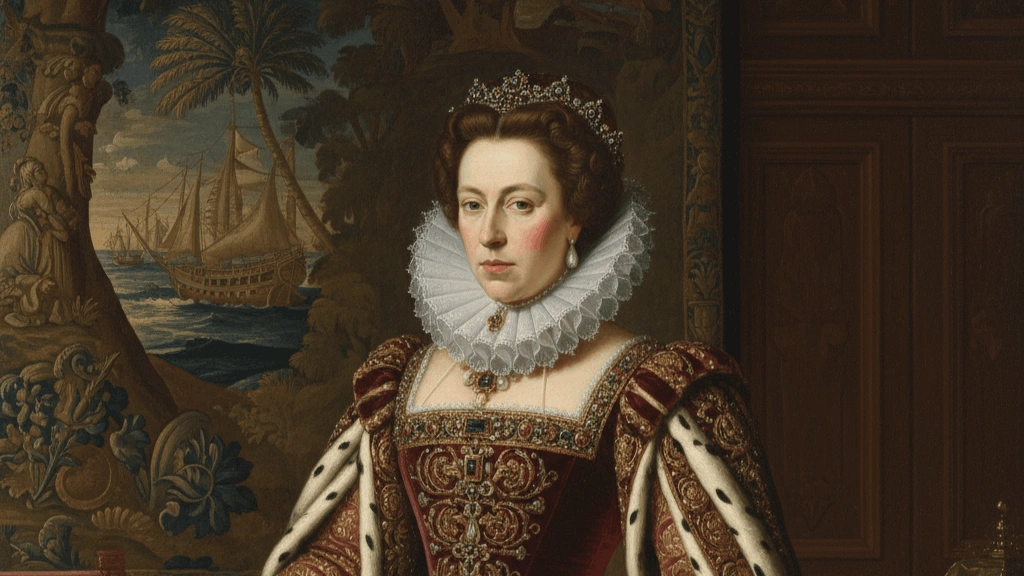
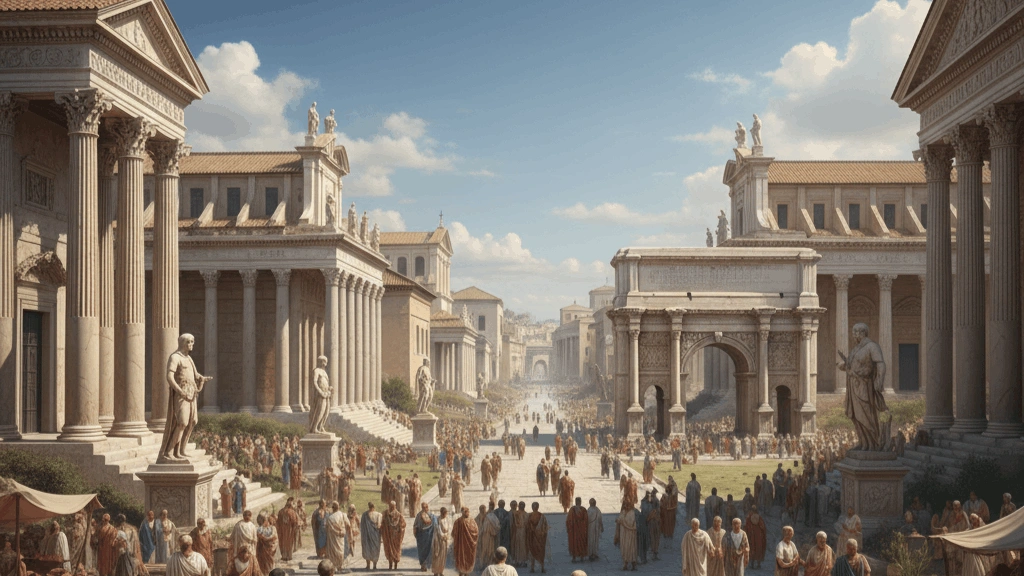
Empires and dynasties have shaped the course of human history, influencing politics, culture, religion, trade, and innovation across continents. By exploring the rise and fall of great civilizations, we gain a deeper understanding of how the modern world came to be.
93 Questions
🃏
46 Flashcards
⏱️
12 min Reading
📶
Beginner Difficulty

About Empires & Dynasties

Empires and dynasties have shaped the course of human history, influencing politics, culture, religion, trade, and innovation across continents. By exploring the rise and fall of great civilizations, we gain a deeper understanding of how the modern world came to be.

Read full about Empires & Dynasties →

This topic is part of History - use the timeline and eras tools below, then practice with flashcards and quizzes.

🏛️ Did you know?

Empires & Dynasties includes 93 curated questions across History.

🏛️ History

Interactive Timeline

Follow key events from ancient times to the modern era.

Open full view →
3200 BCE Early civilizations rise
476 CE Fall of Western Rome
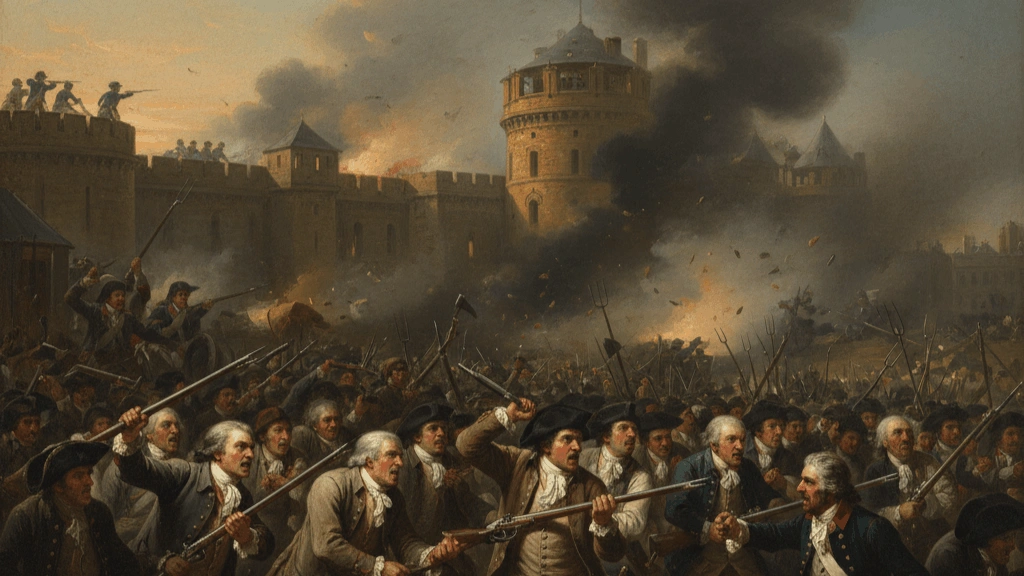
1789 French Revolution
1945 End of WWII

Explore by Era

Jump into major historical periods.

View all →
🏺
Ancient
Pre-500 CE
⚔️
Medieval
500-1500
Early Modern
1500-1800
🏭
Industrial Age
1800-1914
🪖
World Wars
1914-1945
🌐
Contemporary
1945-Today

4. Study Guide

1 guide for Empires & Dynasties

Available
Browse all guides →

Flashcards

The Aztec Empire was a confederation of three city-states. Which of these was the dominant city?

1 / 46

Study Flashcards

Practice Quiz

Test your knowledge with multiple choice questions.

❓ 93 Questions ⏱️ 15 min Time 🔁 Unlimited Attempts

Practice Tests

Take a practice test and improve your score.

View all practice modes →

Latest Articles

View all →

Frequently asked questions

An empire is a large political state that rules over multiple territories or peoples, while a dynasty is a family or royal line whose members rule a country over successive generations. Many empires, such as those in China, were governed by powerful dynasties.
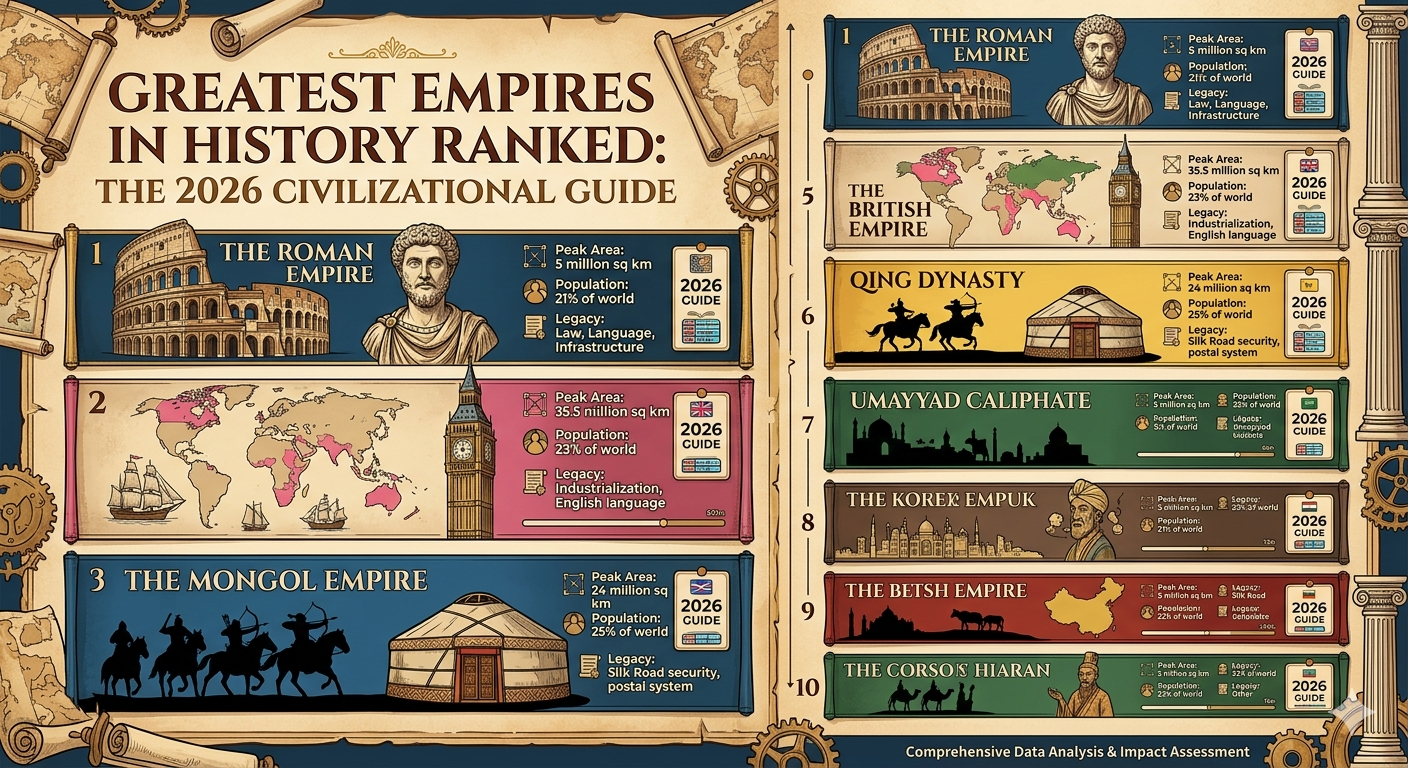
The British Empire is generally considered the largest empire in history by total land area, ruling about a quarter of the world's land and population at its peak. The Mongol Empire remains the largest contiguous land empire ever established.
Empires often declined because of internal political struggles, economic difficulties, military defeats, succession conflicts, corruption, or external invasions. In many cases, a combination of factors gradually weakened their ability to govern vast territories.
Dynasties often brought long periods of political stability and cultural development. They influenced architecture, literature, science, religion, trade, and governance, leaving lasting legacies that continue to shape societies today.
Learning about empires and dynasties helps you understand how civilizations grew, interacted, and influenced one another. It also explains the origins of many modern nations, cultures, languages, political systems, and historical traditions that continue to affect the world today.

Discussion

Ask questions, share knowledge and help others.

View all →
Log in to join the discussion about Empires & Dynasties.

Be the first to start a discussion about Empires & Dynasties.