🏛️ History

Historical Dates & Years

Certain dates in history mark turning points that changed nations, inspired revolutions, ended wars, and shaped the modern world. Learning historical dates and years isn't just about memorizing numbers, it's about understanding the stories and events that transformed human civilization.
87 Questions
🃏
43 Flashcards
⏱️
12 min Reading
📶
Beginner Difficulty

About Historical Dates & Years

Certain dates in history mark turning points that changed nations, inspired revolutions, ended wars, and shaped the modern world. Learning historical dates and years isn't just about memorizing numbers, it's about understanding the stories and events that transformed human civilization.

Read full about Historical Dates & Years →

This topic is part of History - use the timeline and eras tools below, then practice with flashcards and quizzes.

🏛️ Did you know?

Historical Dates & Years includes 87 curated questions across History.

🏛️ History

Interactive Timeline

Follow key events from ancient times to the modern era.

Open full view →
3200 BCE Early civilizations rise
476 CE Fall of Western Rome
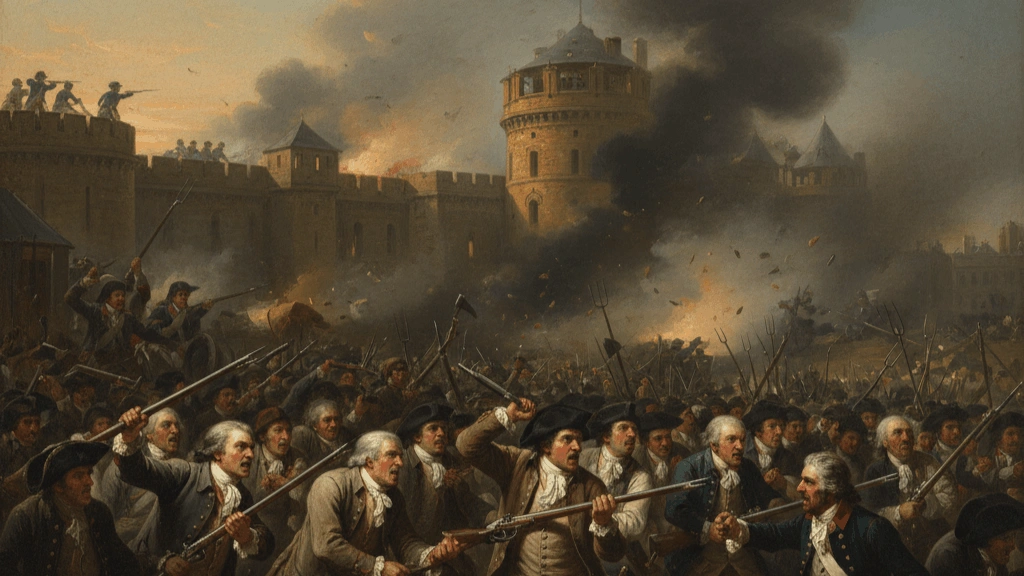
1789 French Revolution
1945 End of WWII

Explore by Era

Jump into major historical periods.

View all →
🏺
Ancient
Pre-500 CE
⚔️
Medieval
500-1500
Early Modern
1500-1800
🏭
Industrial Age
1800-1914
🪖
World Wars
1914-1945
🌐
Contemporary
1945-Today

4. Study Guide

1 guide for Historical Dates & Years

Available
Browse all guides →

Flashcards

The Aztec capital of Tenochtitlan fell to Hernan Cortes and his indigenous allies in which year?

1 / 43

Study Flashcards

Practice Quiz

Test your knowledge with multiple choice questions.

❓ 87 Questions ⏱️ 15 min Time 🔁 Unlimited Attempts

Practice Tests

Take a practice test and improve your score.

View all practice modes →

Latest Articles

View all →

Frequently asked questions

Historical dates help us organize past events in chronological order and understand how one event influenced another. They provide a timeline that makes it easier to study the development of civilizations, governments, science, and culture.
No. It's more useful to understand the significance of major dates and the events associated with them than to memorize long lists of years. Knowing the historical context makes important dates easier to remember.
Some well-known years include 1215 (Magna Carta), 1492 (Columbus's voyage), 1776 (U.S. Declaration of Independence), 1789 (French Revolution), 1914 (start of World War I), 1945 (end of World War II and founding of the United Nations), and 1969 (first Moon landing).
Historians use written records, archaeological evidence, inscriptions, official documents, scientific dating methods, and other reliable sources to establish when historical events occurred. New discoveries can sometimes refine our understanding of historical timelines.
Learning historical dates helps you place important events in context, understand the sequence of world history, and recognize how past developments continue to influence the present. It also improves general knowledge and is valuable for quizzes, examinations, and lifelong learning.

Discussion

Ask questions, share knowledge and help others.

View all →
Log in to join the discussion about Historical Dates & Years.

Be the first to start a discussion about Historical Dates & Years.