
Population & Density
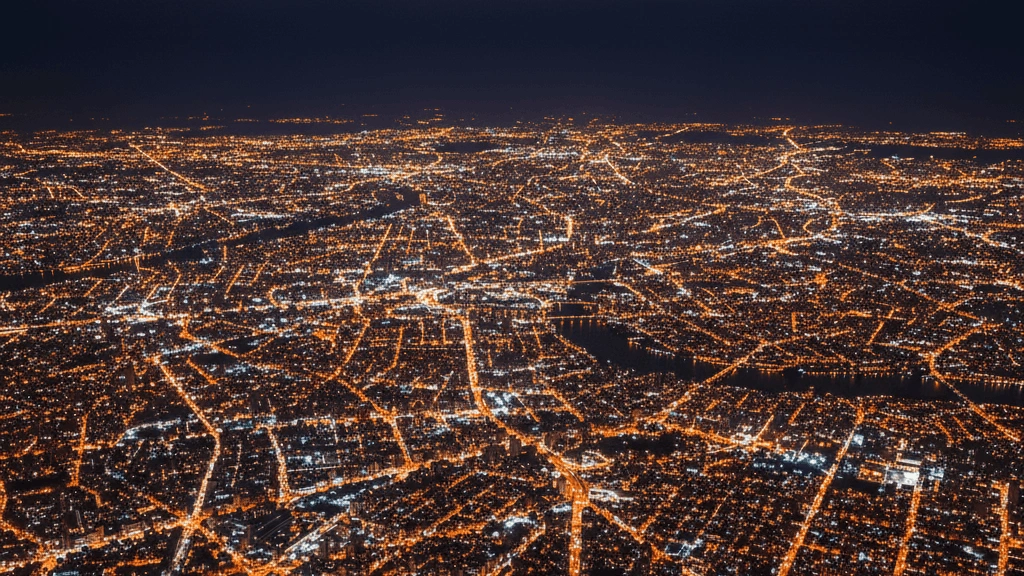
Population and population density are fundamental concepts in geography that help explain where people live, why settlements develop in certain places, and how human populations interact with the environment. Studying population patterns provides valuable insight into urbanization, economic development, resource use, and the challenges faced by different regions of the world.
Start learning Population & Density
Pick a path - everything here is ready for this topic.
Countries by Continent
Search and scan key facts for this topic.
Showing of
Named quizzes
Jump into a focused set for Population & Density.
About Population & Density
Population and population density are fundamental concepts in geography that help explain where people live, why settlements develop in certain places, and how human populations interact with the environment. Studying population patterns provides valuable insight into urbanization, economic development, resource use, and the challenges faced by different regions of the world.
Read full about Population & Density →This topic is part of Geography. Explore the guide, then practice with flashcards and quizzes to lock in what you learn.
🌍 Did you know?
Population & Density includes 81 curated questions across Geography.
🌍 Geography
Interactive World Map
Click regions to discover capitals, borders, and facts.
Region detail
matching questions
Click a marker on the map to explore a region.
Quick Facts
- Questions
- 80
- Difficulty
- Mixed
- Category
- Geography
4. Study Guide
1 guide for Population & Density
Flashcards
Which country has most population?
1 / 30
Practice Quiz
Test your knowledge with multiple choice questions.
Practice Tests
Take a practice test and improve your score.
View all practice modes →