


Named quizzes
Jump into a focused set for Capitals.
About Capitals
Capital cities are often the political, cultural, and historical centers of a country. Learning about world capitals not only improves your geography knowledge but also offers a deeper understanding of nations, their governments, and the people who live there.
This topic is part of Geography. Explore the guide, then practice with flashcards and quizzes to lock in what you learn.
Read more about CapitalsQuick Facts
- Questions
- 97
- Largest Capital
- Tokyo
- Smallest Capital
- Vatican City
- Highest Capital
- La Paz
- Countries Covered
- 195+
Study Guide
2 guides for Capitals
-
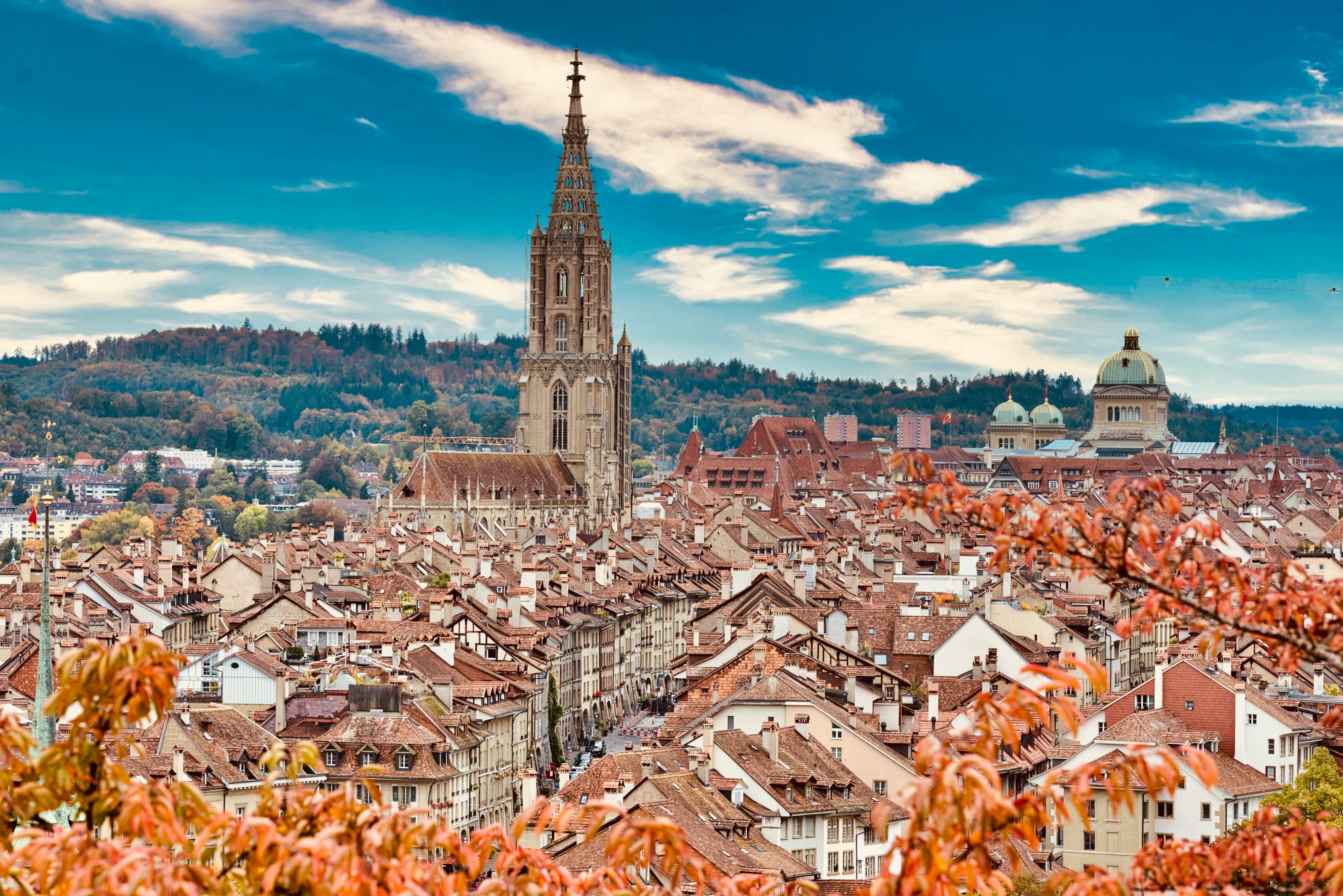 World Capitals You Always Get Wrong
5 min · ›
-
 World Capitals: Complete List of Countries and Capitals
10 min · ›
Flashcards
What is the capital of Japan?
1 / 30
Practice Quiz
Test your knowledge with multiple choice questions.
97 Questions
15 min Time
Unlimited Attempts
Frequently asked questions
A capital city is the primary city where a country's national government is based. It usually houses important institutions such as parliament, government offices, and foreign embassies, making it the country's political and administrative center.
Many countries choose their capital based on historical, political, or geographical reasons rather than population size. For example, Washington, D.C. is the capital of the United States instead of New York City, and Canberra is Australia's capital instead of Sydney.
There are around 195–200 recognized national capitals, depending on how countries and disputed territories are counted.
Yes. While most countries have a single capital city, some have multiple capitals with different responsibilities. South Africa is a well-known example, with Pretoria, Cape Town, and Bloemfontein serving administrative, legislative, and judicial roles respectively.
Knowing capital cities improves your understanding of geography, world politics, history, and international events. It also helps with travel planning, competitive exams, educational quizzes, and staying informed about global news.
The most effective approach is to learn them by region or continent and practice regularly using maps, flashcards, and quizzes. Associating capitals with famous landmarks or historical events for example, Paris with the Eiffel Tower or Tokyo with Japan's modern technology can also make them easier to remember.