
World Leaders & Heads of State
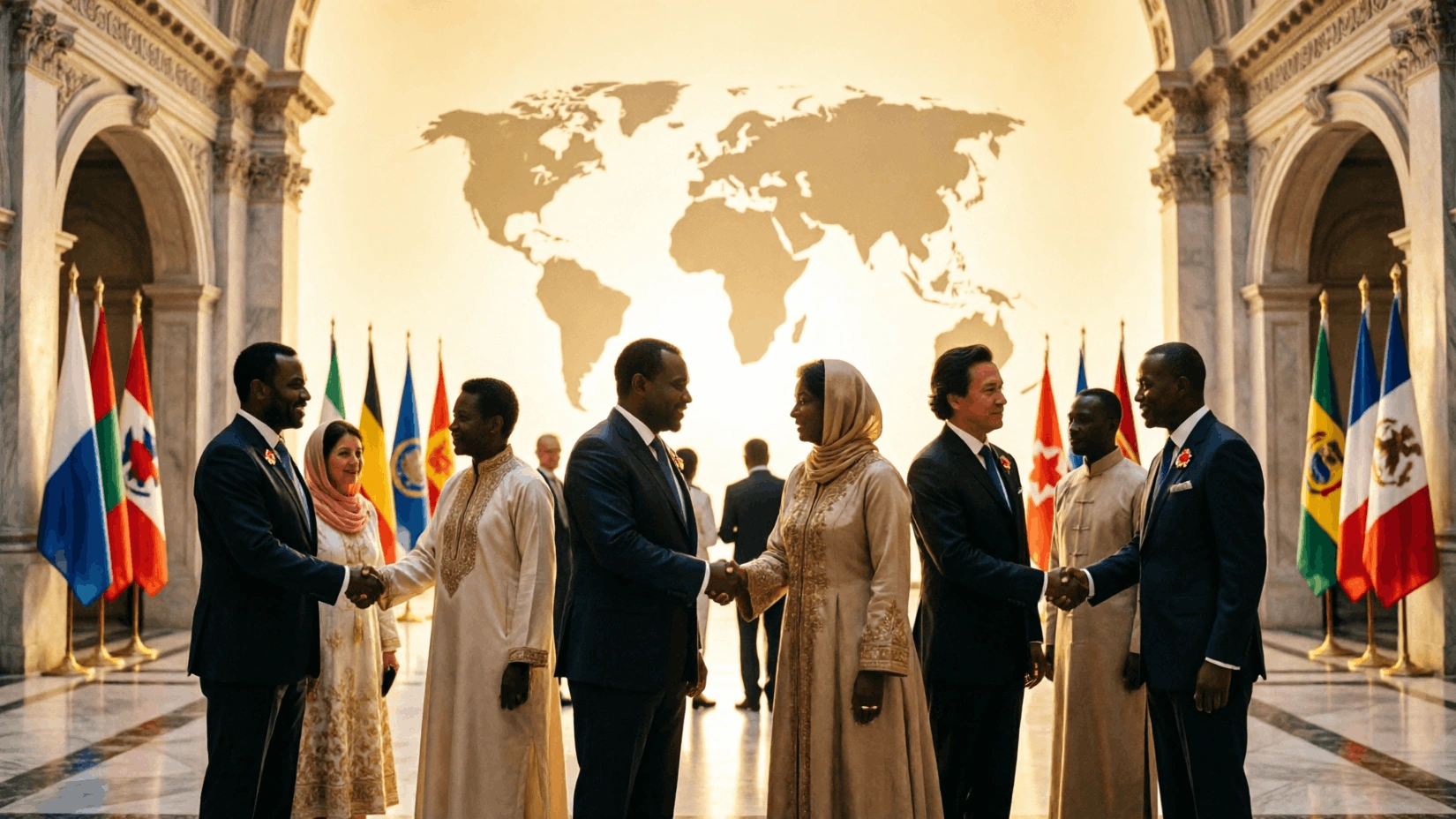
World leaders and heads of state have shaped the course of history through their leadership, decisions, and influence during times of peace, conflict, reform, and transformation. From ancient monarchs and emperors to modern presidents and prime ministers, these individuals have played pivotal roles in the political, social, economic, and cultural development of nations around the world.
Start learning World Leaders & Heads of State
Pick a path - everything here is ready for this topic.
Key events
Search and scan key facts for this topic.
Showing of
Named quizzes
Jump into a focused set for World Leaders & Heads of State.
About World Leaders & Heads of State
World leaders and heads of state have shaped the course of history through their leadership, decisions, and influence during times of peace, conflict, reform, and transformation. From ancient monarchs and emperors to modern presidents and prime ministers, these individuals have played pivotal roles in the political, social, economic, and cultural development of nations around the world.
Read full about World Leaders & Heads of State →This topic is part of History. Explore the guide, then practice with flashcards and quizzes to lock in what you learn.
🏛️ Did you know?
World Leaders & Heads of State includes 49 curated questions across History.
🏛️ History
Interactive Timeline
Follow key events from ancient times to the modern era.
Quick Facts
- Questions
- 48
- Difficulty
- Mixed
- Category
- History
Flashcards
Who was the first President of the United States?
1 / 30
Practice Quiz
Test your knowledge with multiple choice questions.
Practice Tests
Take a practice test and improve your score.
View all practice modes →