


🧠 General Knowledge
Holidays & Cultural Traditions
Every culture celebrates special occasions that reflect its history, beliefs, and traditions. Learning about holidays and cultural traditions helps us appreciate the diversity of p...
80 questions 16 min guide
Browse Themes
Search and scan key facts for this topic.
Showing of rows
Named quizzes
Jump into a focused set for Holidays & Cultural Traditions.
About Holidays & Cultural Traditions
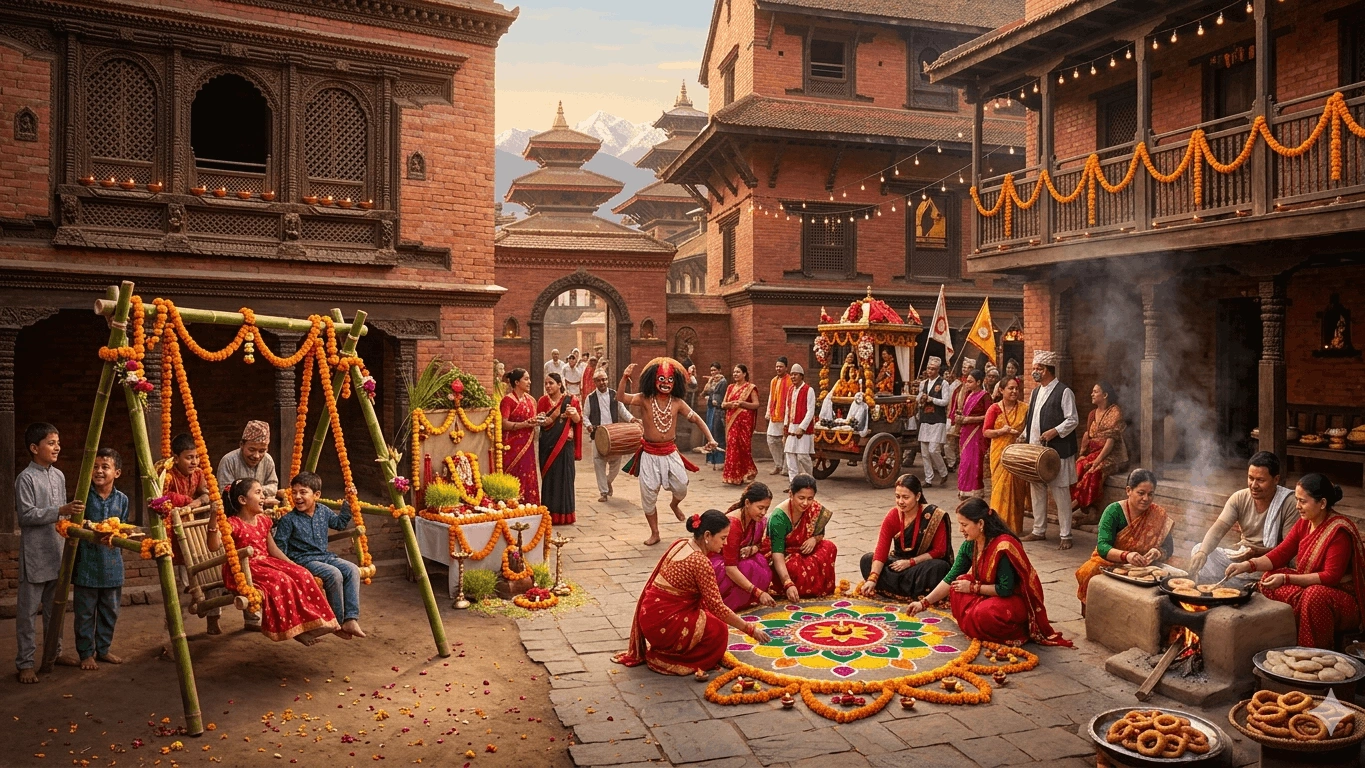
Every culture celebrates special occasions that reflect its history, beliefs, and traditions. Learning about holidays and cultural traditions helps us appreciate the diversity of people around the world while discovering the customs, festivals, and celebrations that bring communities together.
This topic is part of General Knowledge. Explore the guide, then practice with flashcards and quizzes to lock in what you learn.
Read more about Holidays & Cultural Traditions🧠 General Knowledge
Trivia Mix
A rotating set of fun facts across many subjects.
Quick Facts
- Questions
- 80
- Difficulty
- Mixed
- Category
- General Knowledge
Study Guide
1 guide for Holidays & Cultural Traditions
Flashcards
Celebrated on November 1st and 2nd, "Da de los Muertos" (Day of the Dead) is a deeply cultural holiday originating in which country?
1 / 30
Practice Quiz
Test your knowledge with multiple choice questions.
Practice Tests
Take a practice test and improve your score.
View all practice modes →