


Introduction
Horror movies are films designed primarily to create fear, suspense, unease, shock, dread, or fascination with the disturbing and unknown. They may feature supernatural beings, killers, monsters, psychological threats, disease, isolation, bodily transformation, or situations in which ordinary life becomes dangerous.
Horror is one of cinema's oldest and most adaptable genres. Early filmmakers experimented with ghosts and supernatural imagery almost as soon as motion pictures appeared, while later horror developed through Gothic monsters, psychological thrillers, zombies, slashers, possession films, body horror, found footage, and many other forms. The British Film Institute traces supernatural imagery in cinema to Georges Méliès's films of the 1890s and identifies films such as The Cabinet of Dr. Caligari and Nosferatu as important milestones in early feature-length horror.
Understanding horror requires more than memorizing famous monsters. Viewers should recognize its subgenres, filmmaking techniques, recurring themes, historical development, and influential films.
Learning Objectives
After studying this guide, you should be able to:
· Explain what defines the horror movie genre.
· Identify major horror subgenres.
· Describe important stages in the development of horror cinema.
· Recognize landmark horror films and their influence.
· Explain how lighting, sound, editing, framing, and suspense create fear.
· Distinguish terms such as slasher, supernatural horror, psychological horror, body horror, and found footage.
What is a Horror Movie?
A horror movie uses storytelling and audiovisual techniques to produce feelings such as:
· Fear
· Suspense
· Anxiety
· Dread
· Shock
· Disgust
· Uncertainty
Not every horror movie attempts to frighten audiences in the same way.
One film may depend on a monster suddenly appearing. Another may slowly create tension without showing anything supernatural. Some horror films contain graphic violence, while others rely almost entirely on atmosphere and suggestion.
Horror also overlaps frequently with other genres, including:
· Science fiction
· Thriller
· Mystery
· Comedy
· Fantasy
· Drama
· Crime
This is why genre boundaries are often flexible.
Early Horror Cinema
Horror elements appeared during the earliest years of cinema. French filmmaker Georges Méliès used trick photography and stage illusion to depict ghosts, demons, transformations, and supernatural events during the 1890s.
By the 1910s and 1920s, filmmakers were adapting Gothic literature such as:
· Frankenstein
· Dracula
· Dr. Jekyll and Mr. Hyde
· Stories by Edgar Allan Poe
European filmmaking, especially German Expressionism, became particularly influential.
German Expressionism
German Expressionist films often used exaggerated visual design to represent fear, madness, or emotional instability.
Typical features included:
· Extreme shadows
· Distorted shapes
· Unusual camera angles
· Stylized sets
· Dramatic lighting
· Unreal or dreamlike environments
The Cabinet of Dr. Caligari (1920) became a major example of the style.
F.W. Murnau's Nosferatu (1922), an unauthorized adaptation of Bram Stoker's Dracula, combined Expressionist techniques with real locations. The BFI describes it as a recognized classic of Expressionist cinema and an important early vampire film.
Quiz Connection
Nosferatu → 1922 → F.W. Murnau → vampire horror
Universal Monsters
American horror became strongly associated with Universal Pictures during the early sound era.
The studio produced influential versions of famous monsters, including:
· Dracula
· Frankenstein's monster
· The Mummy
· The Invisible Man
· The Wolf Man
The BFI identifies Universal's horror cycles from the 1920s onward as highly influential in shaping American horror cinema and the popular visual image of several classic monsters.
Frankenstein
Frankenstein (1931), directed by James Whale and starring Boris Karloff as the creature, helped establish the monster's familiar cinematic appearance.
Dracula
Dracula (1931), starring Bela Lugosi, helped define the elegant, aristocratic screen vampire.
These films demonstrate how cinema can reshape characters originally created in literature.
Gothic Horror
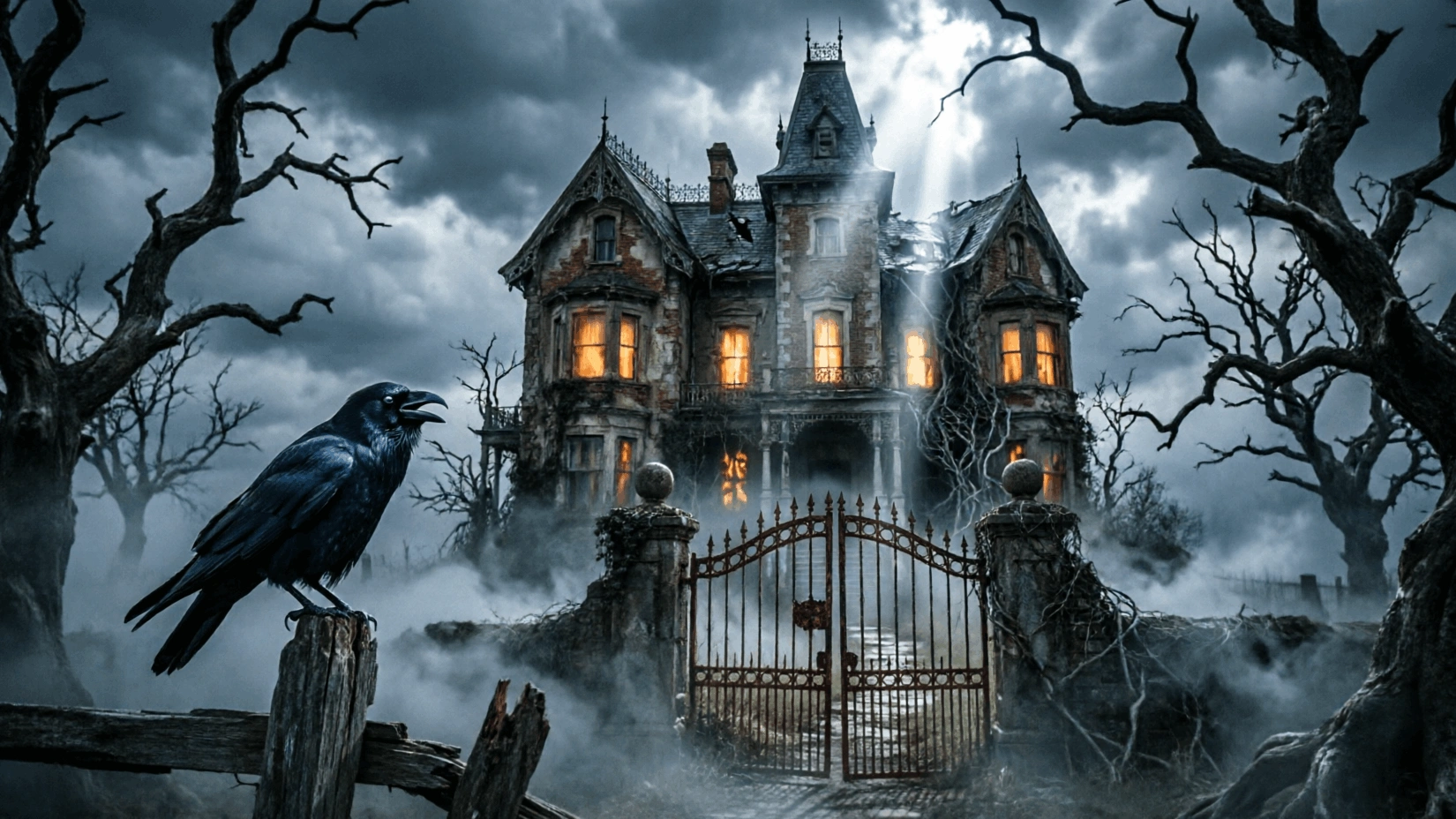
Gothic horror often uses old buildings, family secrets, supernatural threats, madness, death, and an atmosphere of decay.
Typical settings include:
· Castles
· Mansions
· Ruins
· Crypts
· Remote villages
· Dark forests
Common Gothic creatures include:
· Vampires
· Ghosts
· Werewolves
· Reanimated bodies
British studio Hammer Films revived and transformed Gothic monster cinema beginning prominently with The Curse of Frankenstein in 1957. Hammer's films became especially associated with color, blood, Gothic settings, and performers such as Christopher Lee and Peter Cushing.
Psychological Horror
Psychological horror focuses heavily on the mind.
The threat may involve:
· Paranoia
· Isolation
· Obsession
· Unreliable perception
· Identity
· Manipulation
· Mental deterioration
The audience may be uncertain whether a threat is real, imagined, supernatural, or misunderstood.
Psycho
Alfred Hitchcock's Psycho (1960) became a landmark of psychological horror and suspense.
Its famous shower sequence uses rapid editing, music, framing, and suggestion rather than clearly showing a knife entering the victim's body. The sequence became one of the most studied scenes in film history.
Quiz Connection
Psycho → Alfred Hitchcock → 1960 → Norman Bates
Supernatural Horror
Supernatural horror introduces forces that apparently cannot be explained by ordinary natural laws.
Common elements include:
· Ghosts
· Demons
· Possession
· Curses
· Haunted houses
· Witchcraft
· Spirits
Fear often comes from the idea that normal physical rules no longer provide protection.
Films in this category frequently combine religion, folklore, family conflict, or questions about life after death.
Monster Horror
Monster films build fear around dangerous creatures.
Examples include:
· Vampires
· Werewolves
· Giant creatures
· Mutants
· Aliens
· Artificial creatures
Monster horror frequently overlaps with science fiction.
The monster may represent more than a physical threat. Filmmakers have used monsters to explore fears surrounding disease, technology, warfare, environmental destruction, social outsiders, and loss of control.
Zombie Horror
Modern zombie cinema was heavily shaped by George A. Romero's Night of the Living Dead (1968).
The film follows survivors trapped in a farmhouse while reanimated attackers gather outside. The Library of Congress describes the film as a major influence on the subsequent zombie-film industry, while the BFI identifies it as an important transition from classical to modern horror.
Modern zombie films commonly involve:
· Social collapse
· Infection
· Survival
· Scarce resources
· Distrust among survivors
The real danger is often not only the zombies but conflict between humans.
Quiz Connection
Night of the Living Dead → George A. Romero → 1968 → modern zombie cinema
Slasher Films
A slasher typically follows a killer pursuing and attacking a group of victims.
Common elements include:
· An identifiable killer
· A limited group of potential victims
· Suspenseful stalking scenes
· Isolated or enclosed settings
· A surviving central character
· Repeated attacks
The subgenre became especially prominent during the late 1970s and 1980s.
Famous examples include:
· Halloween (1978)
· Friday the 13th (1980)
· A Nightmare on Elm Street (1984)
Wes Craven's A Nightmare on Elm Street introduced Freddy Krueger, a supernatural killer who attacks victims through their dreams. The film was later selected for the U.S. National Film Registry.
The Final Girl
The term final girl is commonly used in discussions of slasher films.
It describes a female character who survives long enough to confront the killer near the end of the story.
Not every slasher follows this formula, but the pattern became strongly associated with the genre.
Well-known examples include characters from films such as:
· Halloween
· Friday the 13th
· A Nightmare on Elm Street
Body Horror
Body horror focuses on disturbing transformations or violations of the human body.
Common themes include:
· Mutation
· Infection
· Disease
· Parasitism
· Physical transformation
· Unwanted biological change
Body horror often asks a frightening question:
What happens when a person loses control over their own body?
Films associated with the subgenre include The Fly and several works by filmmaker David Cronenberg.
Science-Fiction Horror
Science-fiction horror combines futuristic or scientific ideas with fear.
Common subjects include:
· Aliens
· Experiments
· Artificial intelligence
· Genetic modification
· Space isolation
· Biological threats
Alien (1979) is a famous example, combining a spacecraft setting with the structure of a monster and survival horror story. It entered the U.S. National Film Registry in 2002.
Found-Footage Horror
Found footage presents some or all of a fictional story as though the audience is watching recordings discovered after the events.
The footage may supposedly come from:
· Video cameras
· Security cameras
· Phones
· Documentary crews
· Webcams
This approach can create a sense of immediacy because the images appear less polished than conventional filmmaking.
Well-known examples include:
· The Blair Witch Project
· Paranormal Activity
Folk Horror
Folk horror uses rural landscapes, local traditions, folklore, religion, or isolated communities to create fear.
Recurring elements include:
· Remote locations
· Ancient rituals
· Pagan or local beliefs
· Community secrecy
· Conflict between outsiders and traditional communities
Nature itself may seem mysterious or threatening.
Horror Comedy
Horror and comedy may appear opposite, but both depend heavily on timing and audience expectation.
Horror comedy intentionally combines fear with humor.
The comedy may:
· Parody horror conventions
· Reduce tension
· Make violence exaggerated or absurd
· Comment on familiar genre clichés
Horror comedy demonstrates that genres can overlap rather than existing as rigid categories.
How Horror Movies Create Fear
Suspense
Suspense occurs when viewers expect that something dangerous may happen.
Sometimes knowing that a threat is nearby can be more frightening than seeing it immediately.
Jump Scares
A jump scare uses a sudden image, movement, or sound to startle the viewer.
Jump scares create immediate shock, while suspense usually develops gradually.
Lighting
Low-key lighting can create deep shadows and hide information.
Darkness forces viewers to wonder what they cannot see.
Camera Framing
Directors can restrict what viewers know by controlling the frame.
A character may be visible while the audience suspects something dangerous exists outside the image.
Editing
Editing controls:
· Pace
· Information
· Surprise
· Rhythm
Rapid cuts can create panic, while long uninterrupted shots can increase tension by delaying an expected event.
Sound
Sound is one of horror cinema's most effective tools.
Films use:
· Silence
· Footsteps
· Breathing
· Music
· Sudden noises
· Unseen sounds
Sound can alert viewers to danger before characters recognize it.
Horror and Social Themes
Horror movies frequently reflect fears beyond fictional monsters.
Stories may explore:
· War
· Disease
· Technology
· Family conflict
· Social inequality
· Isolation
· Consumerism
· Environmental destruction
Night of the Living Dead, for example, has generated extensive discussion because its survival story appeared during a period of intense social and political conflict in the United States. Both the Library of Congress and BFI recognize important social dimensions in discussions of the film.
Horror can therefore function as entertainment while also providing social commentary.
Landmark Horror Films at a Glance
Film | Year | Major Association |
The Cabinet of Dr. Caligari | 1920 | German Expressionism |
Nosferatu | 1922 | Early vampire horror |
Dracula | 1931 | Universal monster cinema |
Frankenstein | 1931 | Classic monster horror |
Psycho | 1960 | Psychological horror |
Night of the Living Dead | 1968 | Modern zombie horror |
The Exorcist | 1973 | Possession horror |
Halloween | 1978 | Slasher tradition |
Alien | 1979 | Science-fiction horror |
The Shining | 1980 | Psychological/supernatural horror |
A Nightmare on Elm Street | 1984 | Supernatural slasher |
The Blair Witch Project | 1999 | Found-footage horror |
Common Horror Movie Terms
Term | Meaning |
Monster | Creature or threatening nonhuman figure |
Slasher | Horror centered on a killer stalking victims |
Jump scare | Sudden audiovisual shock |
Gore | Graphic representation of bodily injury |
Final girl | Surviving female protagonist associated with slashers |
Possession | Supernatural control of a person |
Found footage | Fiction presented as recovered recordings |
Body horror | Fear centered on bodily transformation |
Psychological horror | Fear driven by mental or emotional disturbance |
Folk horror | Horror drawing on folklore, rural communities, and ritual |
Common Mistakes
Horror and Thriller Are Not Identical
Thrillers primarily emphasize suspense, danger, pursuit, or uncertainty.
Horror more directly emphasizes fear, dread, the disturbing, or the monstrous.
The genres frequently overlap.
Slasher Does Not Mean Every Killer Movie
Slashers usually follow recognizable stalking-and-killing conventions. A crime film involving murder is not automatically a slasher.
Zombies and Ghosts Are Different
A zombie is generally depicted as a reanimated or transformed physical body.
A ghost is generally understood as the spirit or apparition of a dead person.
Frankenstein Is the Scientist
In Mary Shelley's story, Victor Frankenstein creates the creature.
Calling the creature "Frankenstein" is common in popular culture, but technically Frankenstein is the creator's surname.
Psycho Is Not a Supernatural Horror Film
Its terror is rooted primarily in human behavior and psychological disturbance rather than supernatural forces.
Horror Did Not Begin With Sound Films
Horror imagery existed during silent cinema decades before Universal's famous 1930s monster movies.
Memory Tips
Remember the historical progression:
Expressionism → Universal monsters → psychological horror → zombies → slashers → found footage
Connect films with one strong clue:
Nosferatu → vampire
Frankenstein → Universal monster
Psycho → shower scene
Night of the Living Dead → zombies
The Exorcist → possession
Halloween → Michael Myers
Alien → space horror
A Nightmare on Elm Street → Freddy Krueger
The Blair Witch Project → found footage
For filmmaking techniques:
Shadow → uncertainty
Silence → anticipation
Sound → warning
Editing → timing
Framing → hidden information
Summary
Horror is one of cinema's longest-running genres. Early filmmakers used supernatural imagery almost from the beginning of motion pictures, while German Expressionism introduced influential visual techniques involving shadow, distortion, and psychological unease.
The Universal monster films helped establish Dracula, Frankenstein's creature, and other Gothic figures as icons of popular cinema. Later films such as Psycho and Night of the Living Dead moved horror toward more modern psychological and social concerns. Slashers, possession films, science-fiction horror, body horror, folk horror, and found-footage films continued expanding the genre.
Horror does not depend on a single formula. Its most important tools include suspense, lighting, sound, editing, restricted information, atmosphere, and the audience's anticipation of danger.
For quiz preparation, connect important films with their year, director or character, and subgenre.
FAQ
What is a horror movie?
A horror movie is a film designed primarily to create fear, dread, suspense, shock, or unease through threatening situations, characters, imagery, or ideas.
What was one of the earliest famous vampire films?
F.W. Murnau's Nosferatu (1922) is one of the most important early vampire movies and a classic associated with German Expressionism.
Who directed Psycho?
Alfred Hitchcock directed Psycho in 1960.
Which film helped shape modern zombie movies?
George A. Romero's Night of the Living Dead (1968) was enormously influential in establishing modern zombie cinema.
What is a slasher movie?
A slasher movie usually follows a killer stalking and attacking a group of victims, often within a limited setting or community.
What is psychological horror?
Psychological horror creates fear through mental disturbance, paranoia, identity, isolation, uncertainty, or unreliable perception.
What is body horror?
Body horror centers on disturbing changes, violations, infections, or transformations of the human body.
What is found-footage horror?
It presents fictional events as though they were recorded by characters and later recovered.
What is a jump scare?
A jump scare uses sudden visual or sound information to startle the audience.
Why is sound important in horror movies?
Sound can reveal unseen danger, build anticipation, create atmosphere, or suddenly interrupt silence to shock the audience.
Key Takeaways
· Horror movies use fear, suspense, dread, shock, and disturbing imagery to create emotional responses.
· Major subgenres include supernatural horror, psychological horror, slashers, zombies, body horror, science-fiction horror, folk horror, and found footage.
· Nosferatu, Psycho, Night of the Living Dead, Halloween, and Alien are useful historical reference points for understanding the genre's development.
· Lighting, sound, editing, camera framing, suspense, and restricted information are major techniques for creating fear.
· Horror frequently reflects broader anxieties about society, technology, disease, family, identity, and loss of control.
References
· British Film Institute — A Great Horror Film for Every Year, from 1922 to Now
Historical overview tracing horror cinema from early supernatural films through Gothic monsters, zombies, slashers, and later developments.
BFI — A Great Horror Film for Every Year
· British Film Institute — Where to Begin with the Universal Horror Cycle
Overview of Universal Pictures' major role in developing American monster and Gothic horror cinema.
BFI — Universal Horror Cycle
· British Film Institute — Nosferatu (1922)
Reference covering F.W. Murnau's vampire film, German Expressionism, and its relationship with Bram Stoker's Dracula.
BFI — Nosferatu
· British Film Institute — Psycho (1960)
Film reference for Alfred Hitchcock's landmark psychological horror film and its influential shower sequence.
BFI — Psycho
· British Film Institute — Why Night of the Living Dead Was a Big-Bang Moment for Horror Movies
Analysis of George A. Romero's 1968 film and its role in the transition toward modern horror cinema.
BFI — Night of the Living Dead
· Library of Congress — National Film Registry Descriptions and Essays
Official preservation resource containing entries for historically important films including Night of the Living Dead and A Nightmare on Elm Street.
Library of Congress — National Film Registry Essays
· Library of Congress — Complete National Film Registry Listing
Official list of culturally, historically, or aesthetically significant films preserved in the U.S. National Film Registry, including Alien and major horror titles.
Library of Congress — National Film Registry
· British Film Institute — A Great Hammer Horror from Every Year
Historical guide to Hammer Films and the studio's influence on British Gothic horror beginning prominently in the 1950s.
BFI — Hammer Horror History