💻 Technology

Mobile Technology & Smartphones

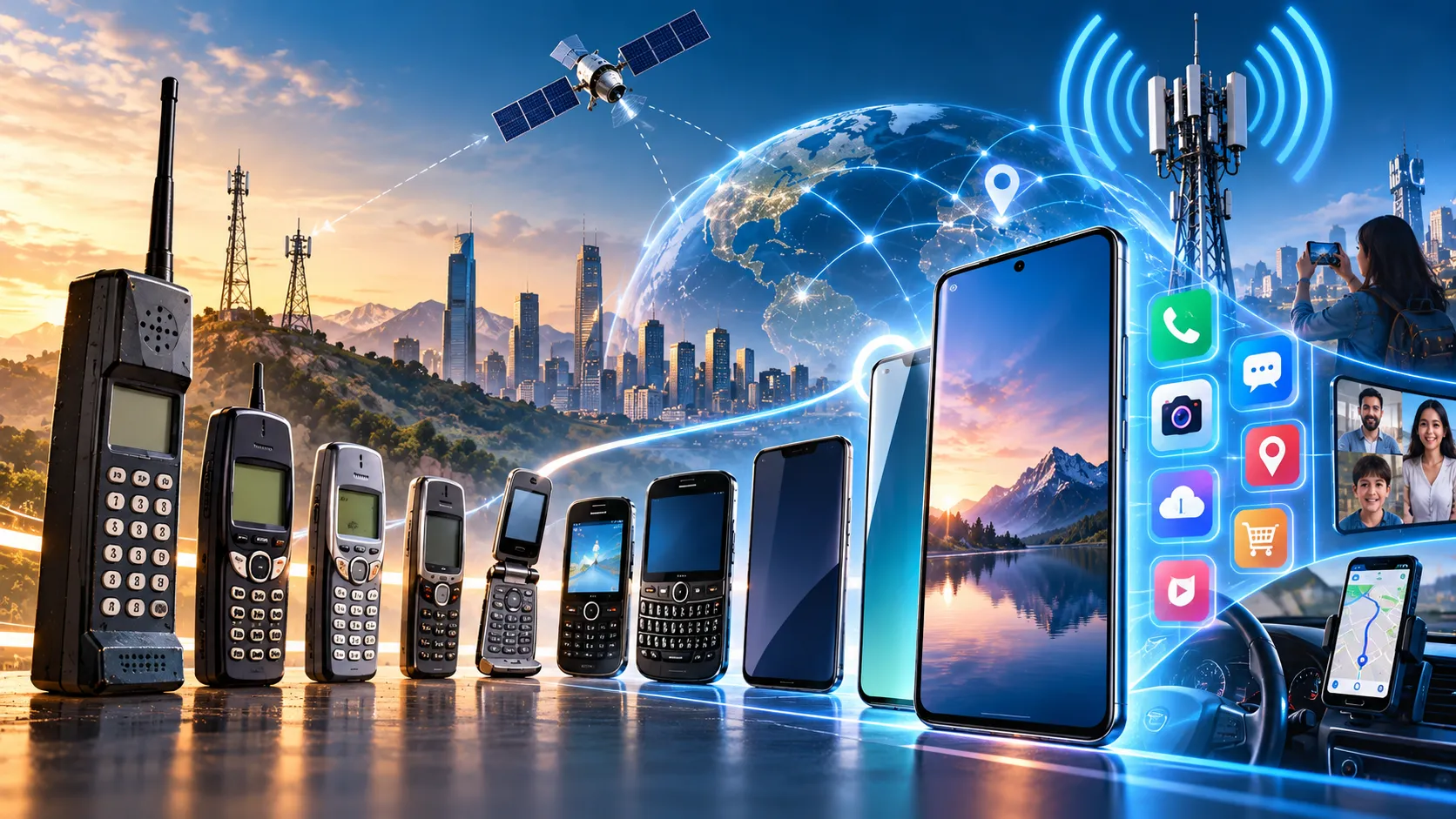
Explore the evolution of mobile technology and smartphones, from early cellular phones to powerful pocket-sized computers. Learn about mobile networks, touchscreens, apps, cameras, GPS, 5G, mobile operating systems, and the innovations that changed how people communicate and access information.
54 Questions
30 Flashcards
12 min Reading
Beginner Level

Named quizzes

Jump into a focused set for Mobile Technology & Smartphones.

About Mobile Technology & Smartphones

Explore the evolution of mobile technology and smartphones, from early cellular phones to powerful pocket-sized computers. Learn about mobile networks, touchscreens, apps, cameras, GPS, 5G, mobile operating systems, and the innovations that changed how people communicate and access information.

Read full about Mobile Technology & Smartphones →

This topic is part of Technology. Explore the guide, then practice with flashcards and quizzes to lock in what you learn.

💻 Did you know?

Mobile Technology & Smartphones includes 54 curated questions across Technology.

💻 Technology

Stack

Open Stack →

matching questions

Tech Domains

Pick a domain and dive in.

View all →
🖥️
Hardware
Devices & chips · 1 questions
Start · 1 Q →
🧩
Software
Apps & OS · 1 questions
Start · 1 Q →
🌐
Internet
Web & networks · 3 questions
Start · 3 Q →
🤖
AI & Data
ML & analytics · 1 questions
Start · 1 Q →
🔐
Cybersecurity
Safety & privacy
Start →
📱
Gadgets
Consumer tech
Start →

Quick Facts

Questions
0
Difficulty
Mixed
Category
Technology

Flashcards

In what year was the first iPhone released?

1 / 30

Study Flashcards

Practice Quiz

Test your knowledge with multiple choice questions.

54 Questions 15 min Time Unlimited Attempts

Practice Tests

Take a practice test and improve your score.

View all practice modes →

Frequently asked questions

A smartphone is a mobile phone with advanced computing capabilities, typically including internet access, applications, a touchscreen interface, cameras, sensors, and an operating system capable of running third-party software.
A feature phone generally focuses on calling, messaging, and a limited set of built-in functions. Smartphones use more advanced operating systems and typically support large app ecosystems, sophisticated internet services, powerful processors, and more flexible user interfaces.
3G, 4G, and 5G refer to different generations of mobile-network technology. Each generation introduced improvements in areas such as data speed, network capacity, latency, reliability, and support for new digital services.
A smartphone can receive timing signals from navigation satellites and use them to calculate its position. Phones may combine satellite data with Wi-Fi, cellular networks, and onboard sensors to improve location accuracy.
Smartphones contain processors, memory, storage, operating systems, software applications, networking hardware, sensors, and input-output systems. These are many of the same fundamental components found in conventional computers, but integrated into a compact mobile device.